Judicial Elections
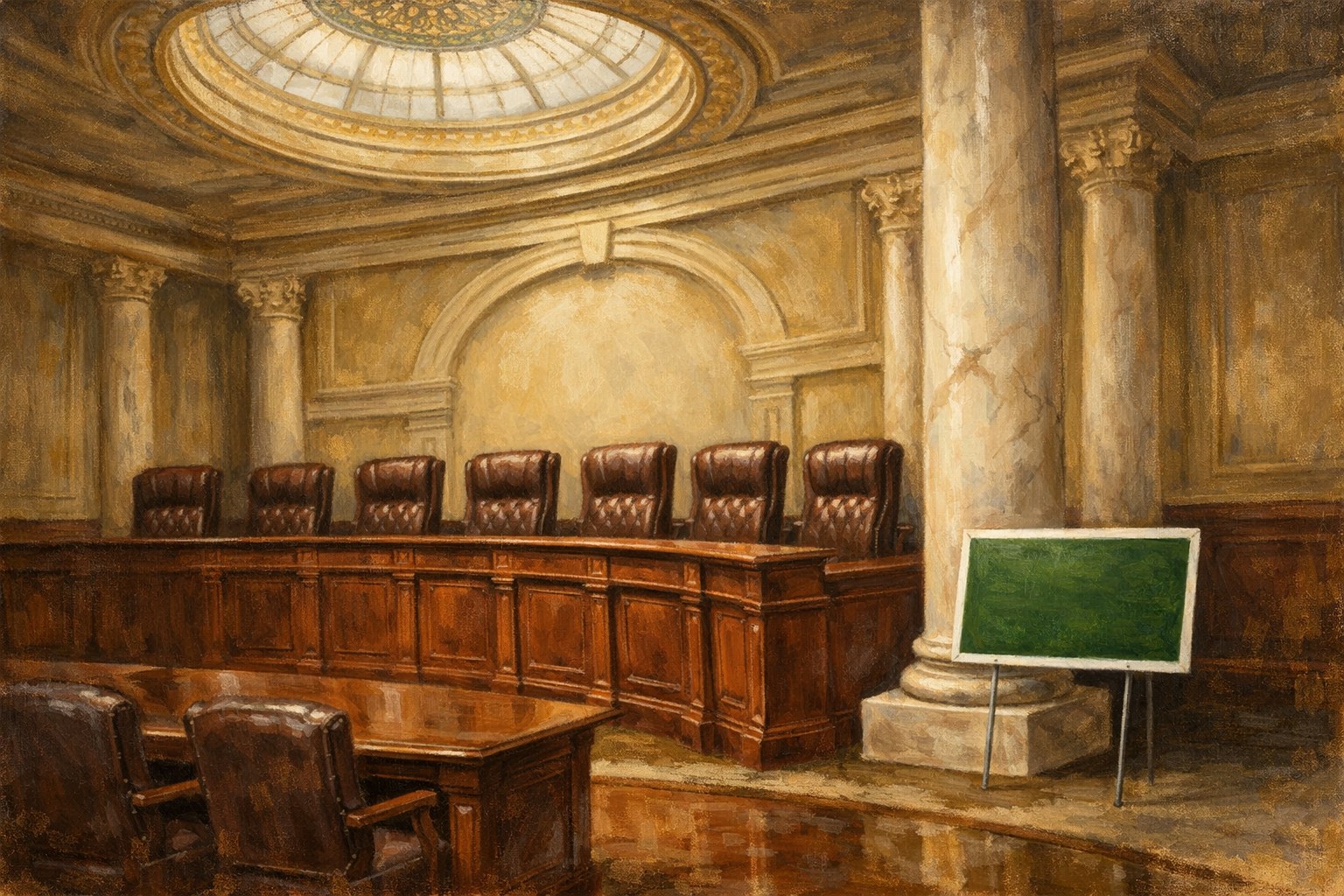
Unlike federal judges, who are appointed for life, most state judges face voters. About 38 states use elections of some kind for their highest court. Some hold partisan elections with party labels, some nonpartisan elections, and others use merit selection, in which a commission screens candidates, the governor appoints one, and the judge later faces an up-or-down retention vote, a system pioneered by Missouri in 1940. A few states let the governor or legislature appoint judges without elections.
Elected judges must balance campaigning with impartiality. In Republican Party of Minnesota v. White in 2002 the Supreme Court held that states cannot bar judicial candidates from announcing their views on legal issues. In Caperton v. Massey in 2009 it held that a judge must step aside when a party to a case spent heavily to help elect them, and in Williams-Yulee v. Florida Bar in 2015 it allowed states to bar judges from personally asking for campaign money.
Spending on state supreme court races has soared as the courts decide issues such as abortion, redistricting, and election rules. The April 2025 Wisconsin Supreme Court race cost about 100 million dollars, the most expensive judicial election in U.S. history. Supporters of elections say they make judges accountable to the people. Critics say campaign money and political ads threaten judicial independence and public trust, and favor appointment or merit selection.

| Status | Active |
| Legal basis | State constitutions and laws |
| Official site | brennancenter.org |
| States electing top judges | About 38, in some form |
| Merit selection | Missouri Plan, 1940 |
| Key cases | White (2002), Caperton (2009), Williams-Yulee (2015) |
| Most expensive race | Wisconsin, April 2025, about 100 million dollars |
| Federal judges | Appointed for life, not elected |
| Date | Merit selection pioneered by Missouri in 1940 |