Qualified Immunity

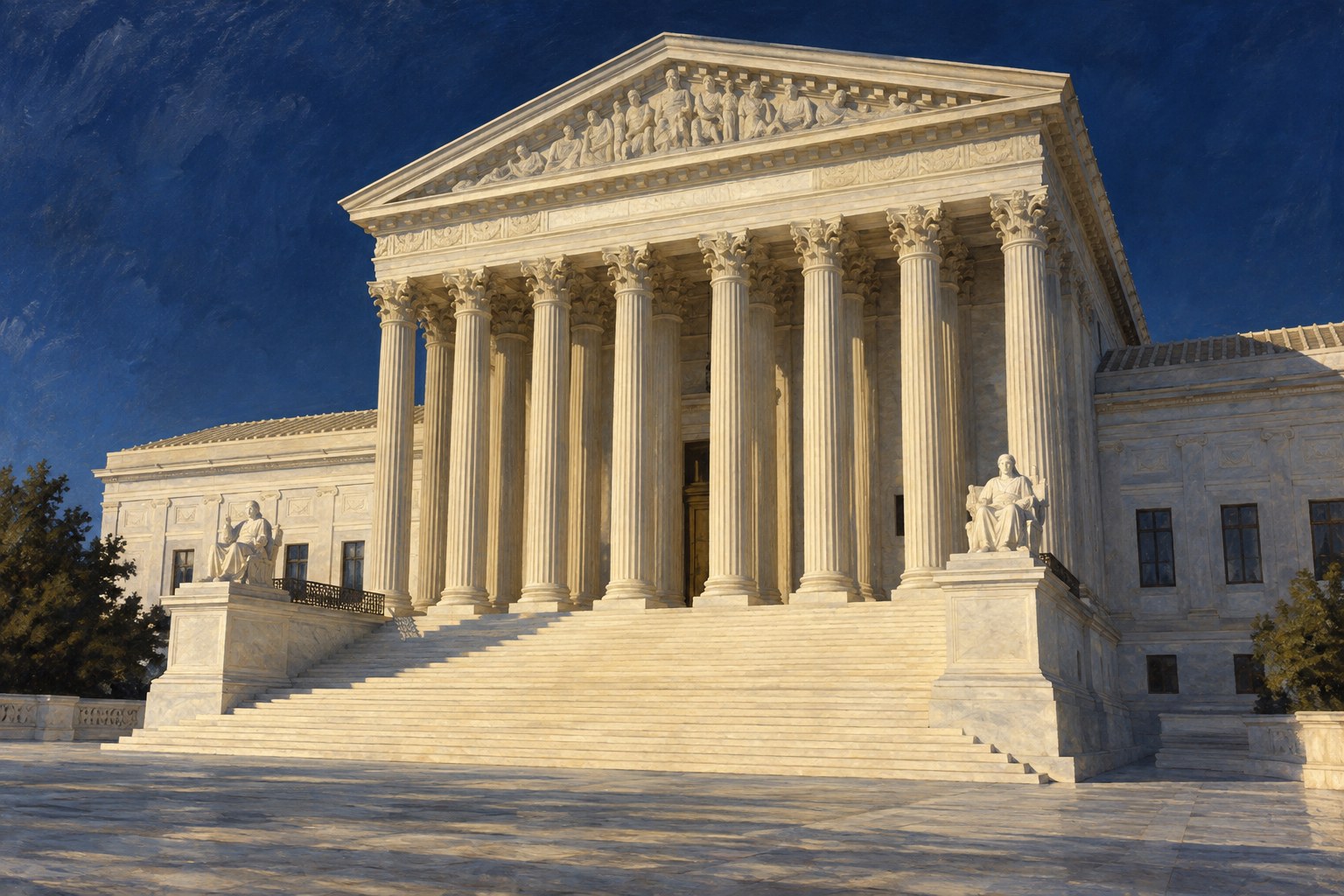
Qualified immunity is not written in any statute. The Supreme Court created it to protect officials sued personally under federal civil rights laws, first in Pierson v. Ray in 1967 on a good-faith basis, and then in Harlow v. Fitzgerald in 1982, which held that officials are immune unless their conduct violated clearly established rights that a reasonable person would have known. Courts ask whether earlier cases had found similar conduct unlawful.
The doctrine applies to all executive officials, from teachers to prison guards, but is most debated in police cases. Because courts often require a prior case with closely similar facts, officers have sometimes been shielded for conduct that judges agreed was wrong. Since Pearson v. Callahan in 2009, courts may grant immunity without deciding whether a right was violated at all, which critics say keeps the law from developing. Governments usually pay judgments for their employees anyway.
Critics from across the spectrum, including civil liberties groups and libertarian legal scholars, argue the doctrine has no basis in the 1871 civil rights law and denies victims a remedy. Supporters, including police groups, say it lets officers make split-second decisions without fear of personal ruin and protects them from meritless suits. After 2020, Colorado, New Mexico, and New York City created state or local claims against police that do not allow qualified immunity, while bills in Congress to limit it have not passed.



| Status | Active |
| Legal basis | Judge-made doctrine (Harlow v. Fitzgerald, 457 U.S. 800) |
| Official site | law.cornell.edu |
| Created by | The Supreme Court, not Congress |
| Key case | Harlow v. Fitzgerald (1982) |
| Test | Violation of clearly established law |
| Applies to | Government officials sued personally |
| State reforms | Colorado, New Mexico, New York City |
| Date | Clearly established standard set in 1982 |