Bivens Claims
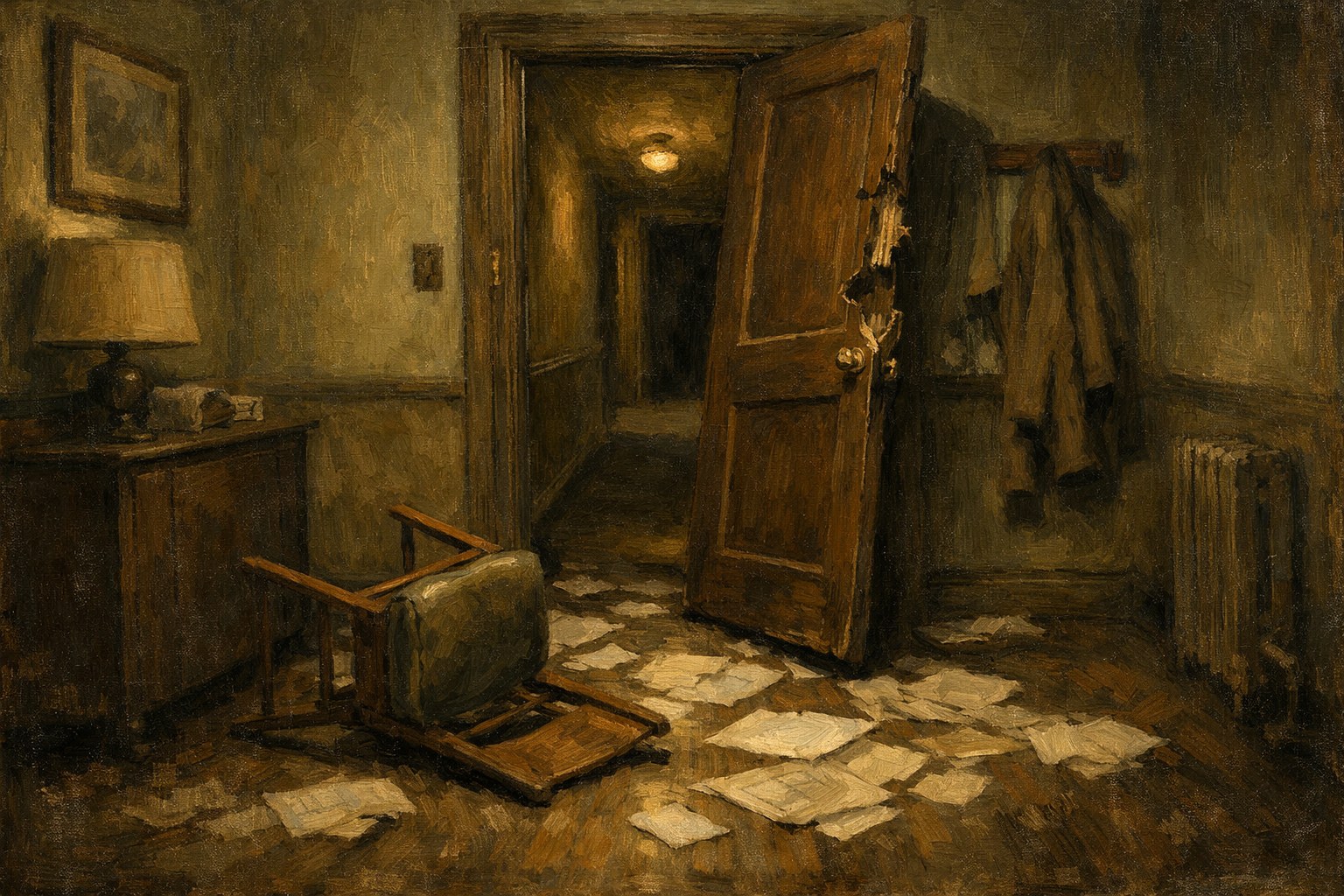
Webster Bivens sued federal narcotics agents who searched his apartment and arrested him without a warrant. In Bivens v. Six Unknown Named Agents on June 21, 1971, the Supreme Court held that he could sue them for money damages directly under the Fourth Amendment, even though Congress had not passed a law allowing it, because federal officers otherwise faced no equivalent of the 1871 law covering state officials.
The Court extended the remedy twice, in Davis v. Passman in 1979 for sex discrimination by a member of Congress and in Carlson v. Green in 1980 for a prisoner denied medical care, and has refused to recognize any new kind of claim since. In Ziglar v. Abbasi in 2017 it called expanding Bivens a disfavored judicial activity, and in Egbert v. Boule in 2022 it held that courts should almost never create a new claim, rejecting suits against a Border Patrol agent.
As a result, people whose rights are violated by federal agents, including immigration officers, often have no damages remedy, while those harmed by state and local police can sue under Section 1983. In June 2026 the Court agreed to decide whether a federal prisoner denied medical treatment can still sue under Carlson. Critics urge Congress to create a federal version of Section 1983, while supporters of the limits say Congress, not courts, should decide when federal officers can be sued.

| Status | Active |
| Legal basis | 403 U.S. 388 |
| Official site | oyez.org |
| Decided | June 21, 1971 |
| Right involved | Fourth Amendment |
| Extensions | Davis (1979), Carlson (1980) |
| Key limit | Egbert v. Boule (2022) |
| Pending | Prisoner medical care case accepted June 2026 |
| Date | Decided June 21, 1971 |