The White House Situation Room
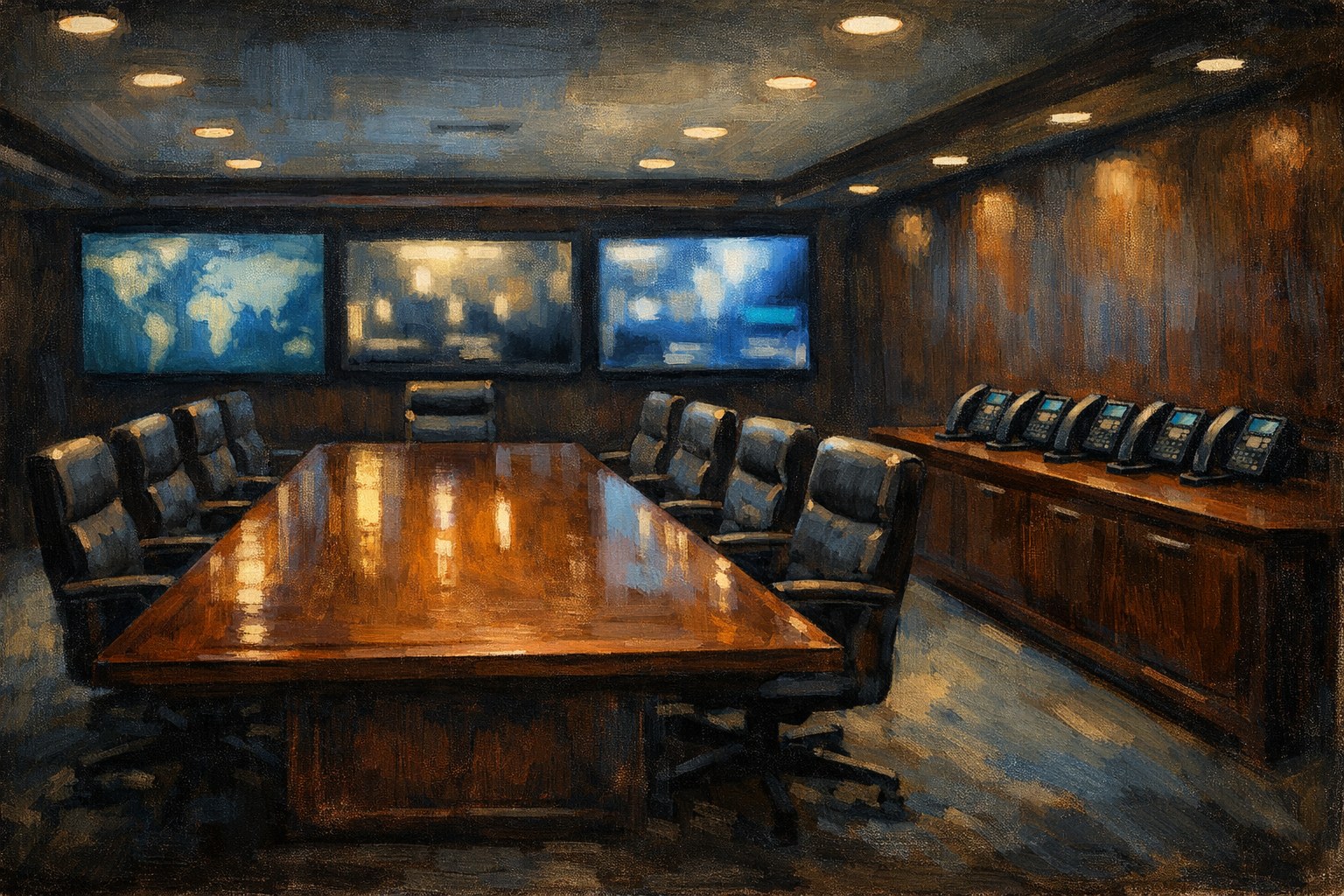
President John Kennedy ordered the Situation Room built in May 1961 after the failed Bay of Pigs invasion, frustrated that information reached him slowly and through separate agencies. It was carved out of a bowling alley in the West Wing basement and has been run ever since by the National Security Council staff. The term now refers to a complex of secure conference rooms and offices, not a single room.
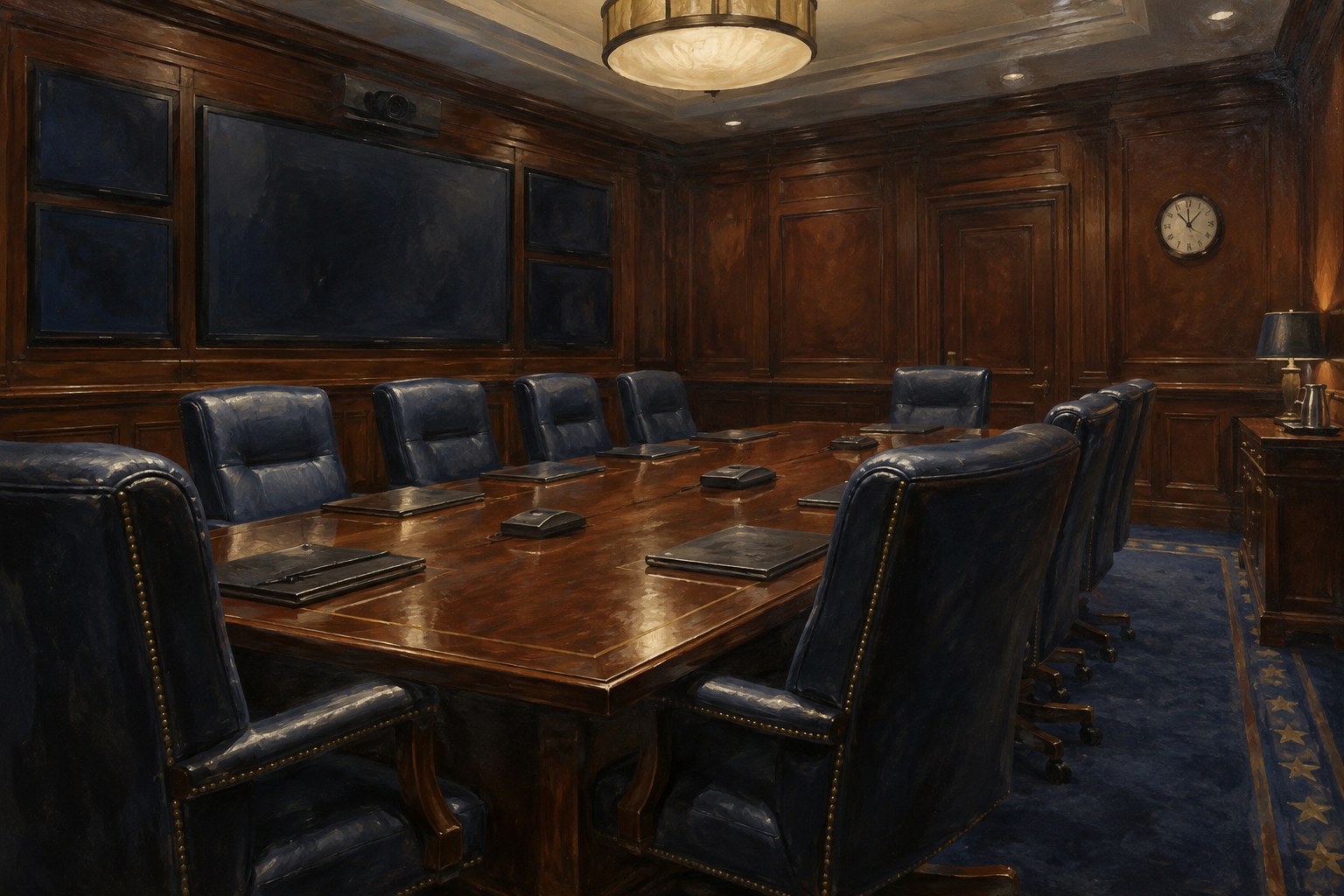
A watch team of intelligence analysts and military and civilian officers works around the clock, monitoring news, intelligence reports, and diplomatic and military communications, alerting the national security advisor and the President to breaking events, and arranging secure calls with foreign leaders and commanders. National Security Council meetings and crisis sessions are held in its main conference room, and smaller rooms allow private calls and video conferences. Personal phones are not allowed inside.
The Situation Room has hosted decisions on the Cuban Missile Crisis aftermath, the September 11 attacks, and the 2011 raid that killed Osama bin Laden, captured in a famous photograph of officials watching the operation. A renovation completed in 2023 at a cost of about 50 million dollars modernized its technology and security. Its role depends on each President's style, and the 2025 reduction of the National Security Council staff raised questions about how fully it is staffed.
| Status | Active |
| Led by | Director of the Situation Room |
| Legal basis | Run by the National Security Council staff |
| Official site | whitehouse.gov |
| Created | May 1961 |
| Location | West Wing basement |
| Run by | National Security Council staff |
| Staffed | Around the clock by a watch team |
| Renovated | Completed in 2023, about 50 million dollars |
| Date | Created May 1961 |
| Location | The White House, Washington, D.C. |