The Farm Bill: Crop Insurance, Subsidies, and Food Aid
Key takeaways
- The farm bill is a roughly five-year law covering farm supports, crop insurance, conservation, rural development, research, and food aid.
- Nutrition programs, mainly SNAP, make up about three quarters of farm bill spending.
- Crop insurance, with about 60 percent of premiums paid by taxpayers, is now the largest part of the farm safety net.
- The 2025 budget law raised farm price supports and crop insurance subsidies while cutting SNAP.
- The last full farm bill passed in 2018, and in 2026 the House passed a new one while the Senate committee advanced its own.
- Trade disputes in 2025 led to about 12 billion dollars in bridge payments to farmers.
Fewer than 2 percent of Americans farm, but federal farm policy affects food prices, rural economies, the land, and the meals of more than 40 million people who get food aid. Most of it is set in a single large law, the farm bill, plus yearly spending bills and emergency aid.
This guide explains what the farm bill does, who benefits, and the current debates.
Conservation programs pay farmers to take fragile land out of production or adopt practices that protect soil and water. The Farm Service Agency and the Farm Credit System provide loans, especially to beginning farmers. The Agriculture Department also funds research, extension services through land-grant universities, rural broadband, and export promotion.
Commodity programs pay farmers of major crops such as corn, soybeans, wheat, cotton, rice, and peanuts when prices or revenues fall below set levels, through programs called Price Loss Coverage and Agriculture Risk Coverage, and offer marketing loans. The 2025 budget law raised the reference prices that trigger payments by 10 to 21 percent and added new eligible acres. Payments are concentrated among larger farms.
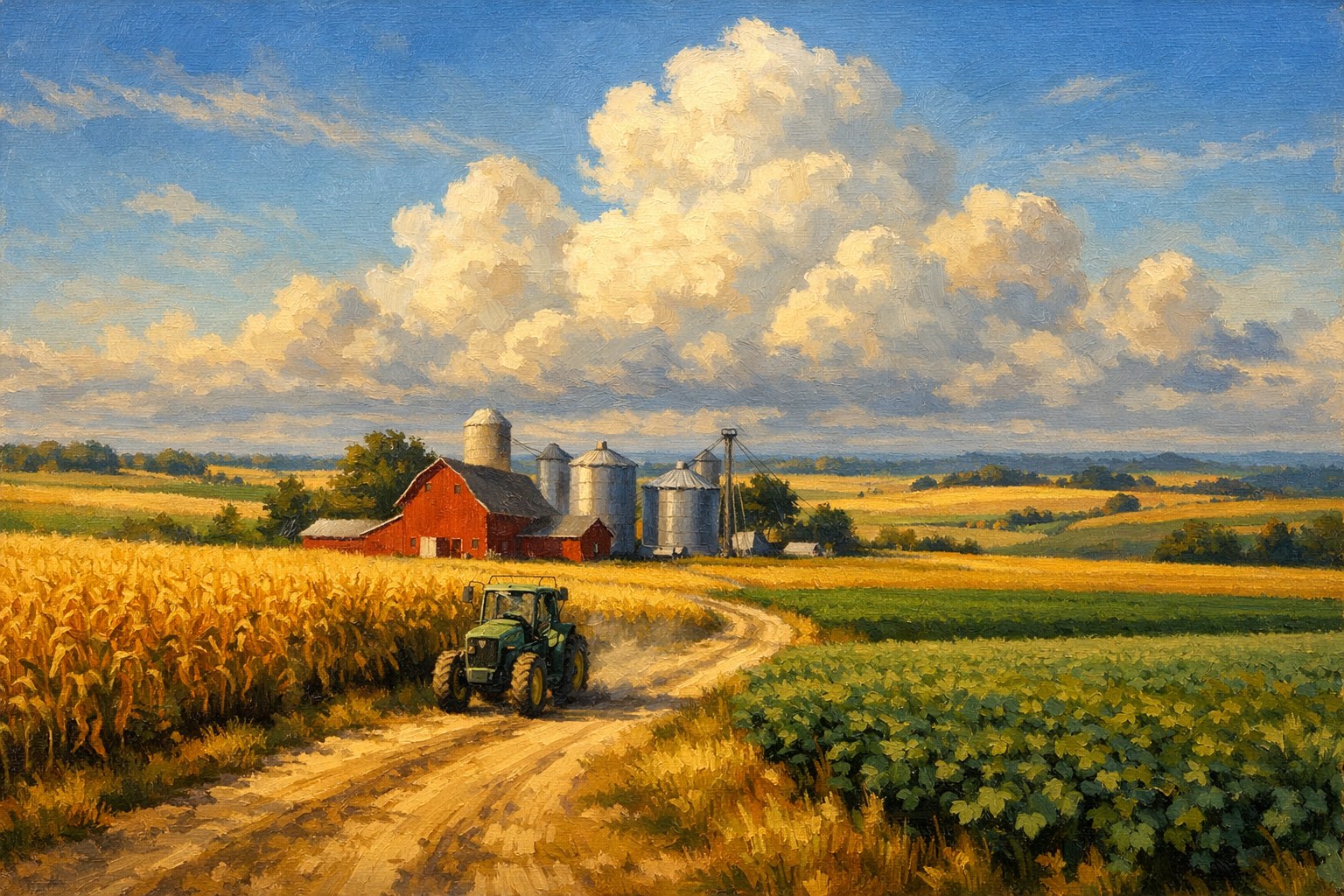
Federal crop insurance, sold by private companies with the government paying about 60 percent of premiums, covers more than 500 million acres against losses from weather, disease, and falling prices. It has become the largest part of the farm safety net, and the 2025 budget law raised its subsidies further. Critics note it has no income limit or payment cap.
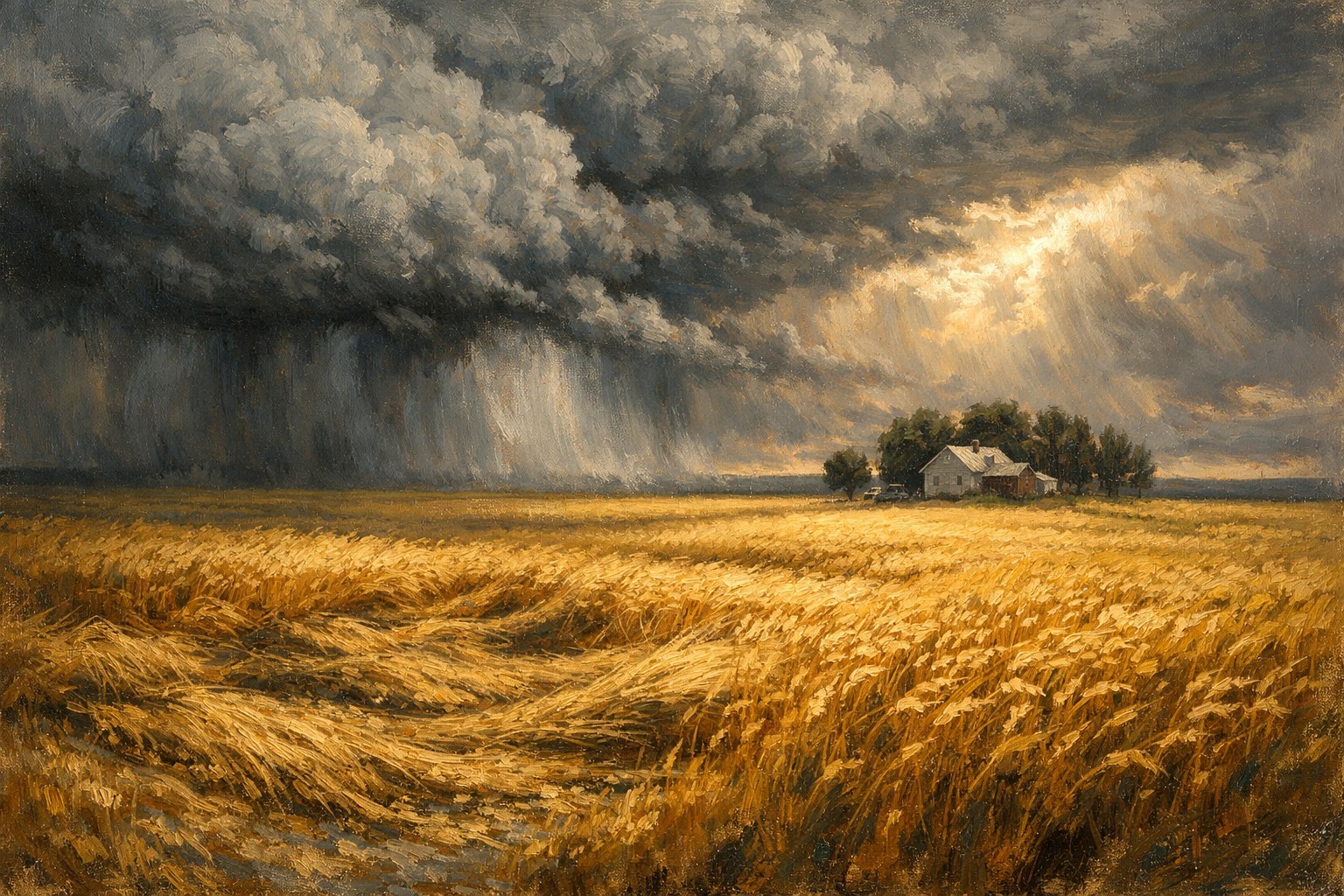
Farm exports depend on trade, and when tariffs and retaliation cut sales, as in 2018 and 2019 and again in 2025, the government has paid farmers billions in emergency aid, including about 12 billion dollars in bridge payments announced in December 2025. Supporters say farmers face risks no other business does and that a stable food supply is a national interest. Critics say subsidies flow mostly to the largest operations, distort planting, and grow through repeated bailouts, while food aid advocates oppose cuts to SNAP.


Nutrition programs, mainly SNAP, make up about three quarters of farm bill spending. Pairing them with farm programs since the 1970s has built a coalition of urban and rural lawmakers. The 2025 budget law cut SNAP and shifted some costs to states, and the 2026 farm bills did not reverse those changes, leading many Democrats to oppose the Senate version.
Since the New Deal, Congress has set farm policy through a broad law renewed about every five years. The modern farm bill has 12 titles, covering commodities, conservation, trade, nutrition, credit, rural development, research, forestry, horticulture, crop insurance, and other programs. When it expires, Congress usually extends it, as it did after the 2018 law lapsed in 2023, to avoid old permanent laws from the 1930s and 1940s taking effect.

See food aid in the safety net explained, the budget in where your tax dollars go, or trade in the fifteen cabinet departments.