The Farm Bill
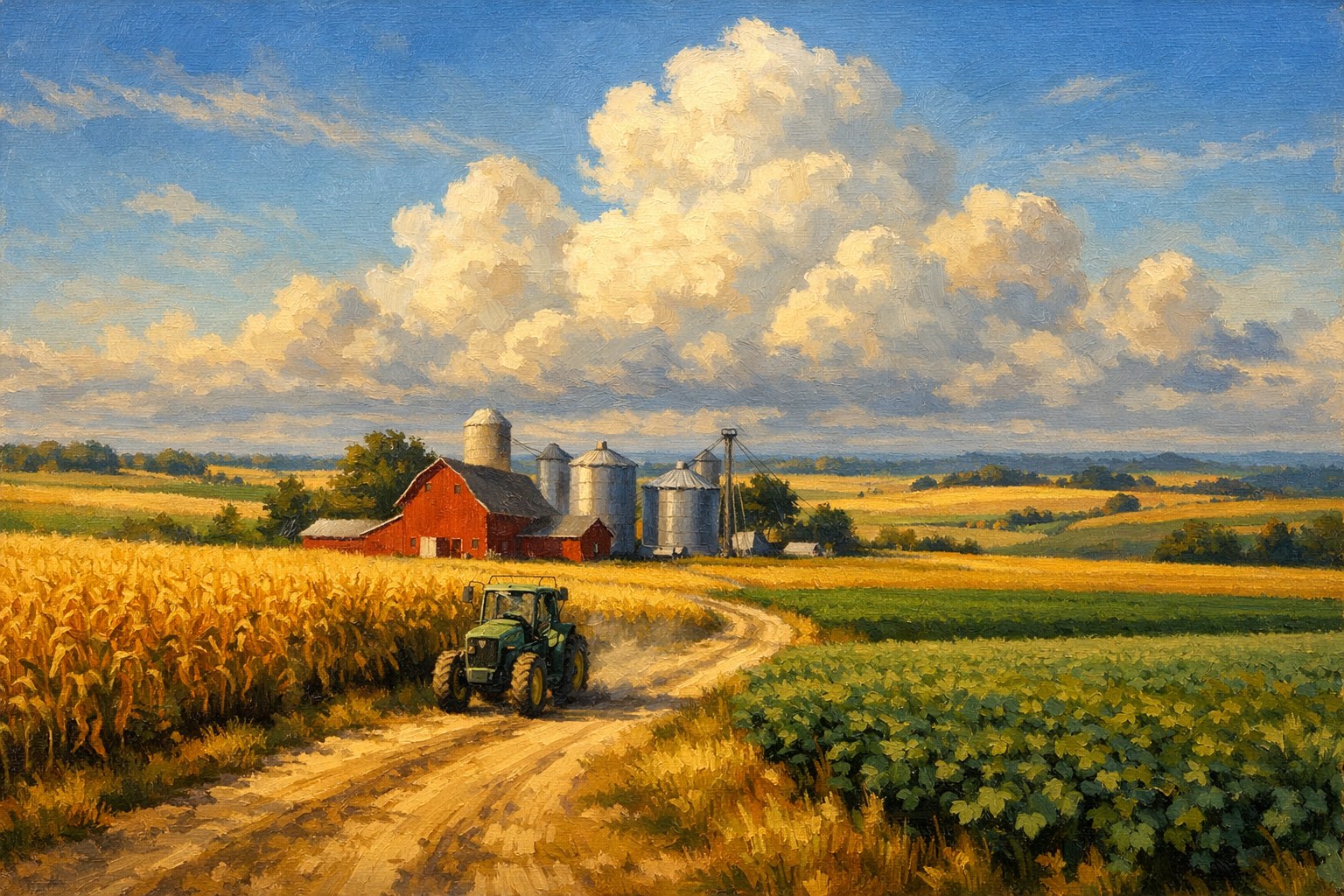
The farm bill traces to the Agricultural Adjustment Act of 1933, which paid farmers to limit production to raise prices during the Depression. Congress now passes a broad farm bill about every five years, covering 12 areas, or titles, including commodity price and income supports, crop insurance, conservation, trade, rural development, research, forestry, and nutrition. The last full farm bill was enacted in 2018 and has been extended several times since it expired in 2023.
Nutrition programs, mainly SNAP, account for roughly three quarters of farm bill spending, which the Congressional Budget Office projected at about 1.4 trillion dollars over the 2026 to 2036 period, with about 985 billion for nutrition. Pairing food aid with farm programs has long built a coalition of rural and urban lawmakers. The 2025 budget law changed both sides, raising price supports and crop insurance subsidies for farmers while cutting SNAP and shifting some of its costs to states.
The House passed a new five-year farm bill on April 30, 2026, and the Senate Agriculture Committee advanced its own version 12 to 11 along party lines on September 16, 2026, with a fight over SNAP cost sharing for states. The extension of the 2018 law ran through September 30, 2026. Supporters say a stable farm bill protects farmers and the food supply, while critics on the left object to SNAP cuts and critics on the right and among budget watchdogs say farm subsidies mostly go to large operations.




| Status | Active |
| Legal basis | Agriculture Improvement Act of 2018 (Public Law 115-334), as extended |
| Official site | ers.usda.gov |
| Origins | Agricultural Adjustment Act of 1933 |
| Last full farm bill | 2018 |
| Spending | About 1.4 trillion dollars over 2026 to 2036 |
| Nutrition share | About three quarters |
| 2026 | House passed April 30, Senate committee September 16 |
| Date | Agricultural Adjustment Act of 1933, last full farm bill 2018 |