World Bank Group
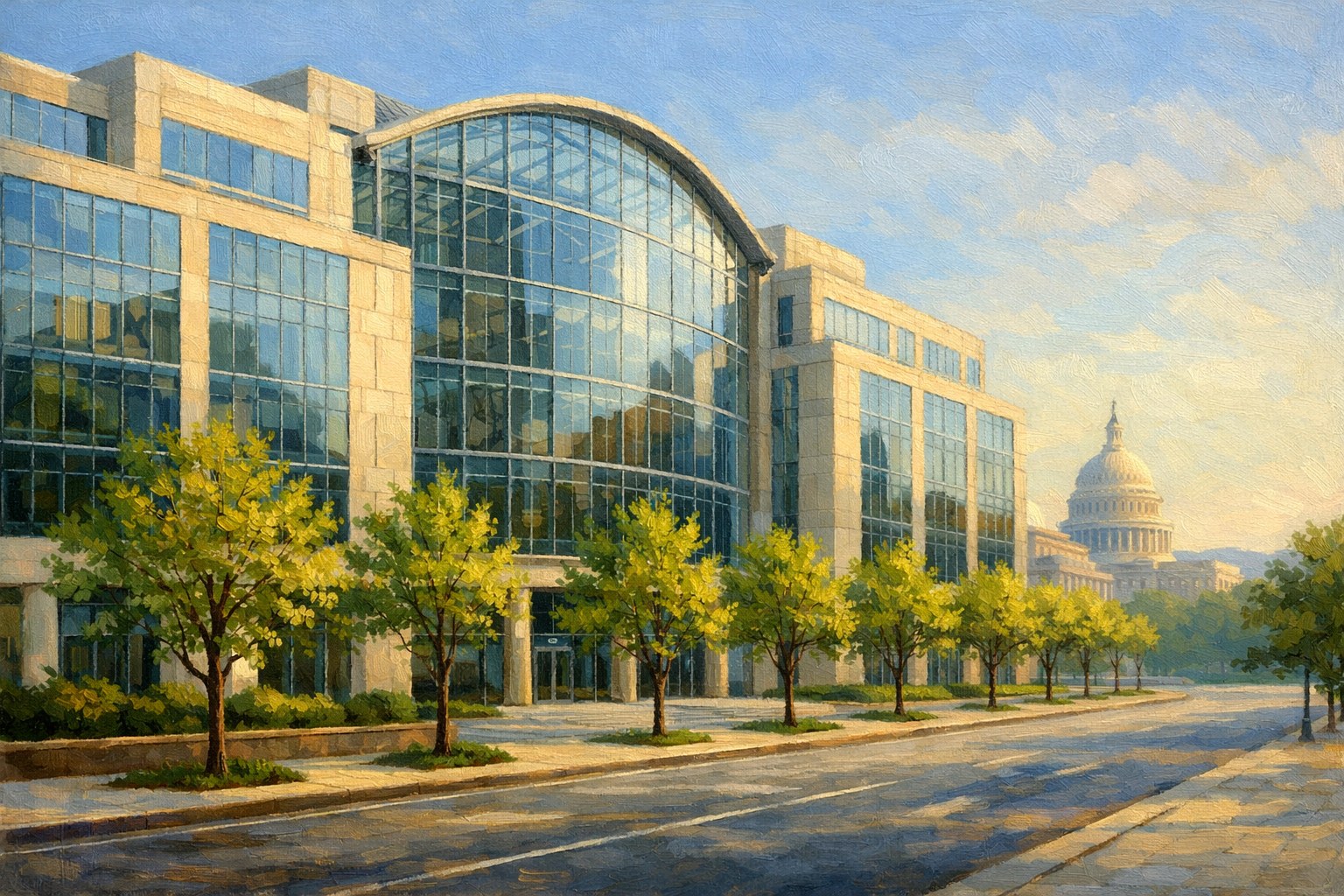
The International Bank for Reconstruction and Development, the original World Bank, was created at Bretton Woods in 1944 to help rebuild Europe after the war, and its first loan went to France in 1947. It soon shifted to developing countries. Today the World Bank Group includes five institutions: the IBRD, which lends to middle-income countries, the International Development Association, which gives grants and cheap loans to the poorest, the International Finance Corporation, which invests in private companies, and agencies that insure investments and settle investment disputes.
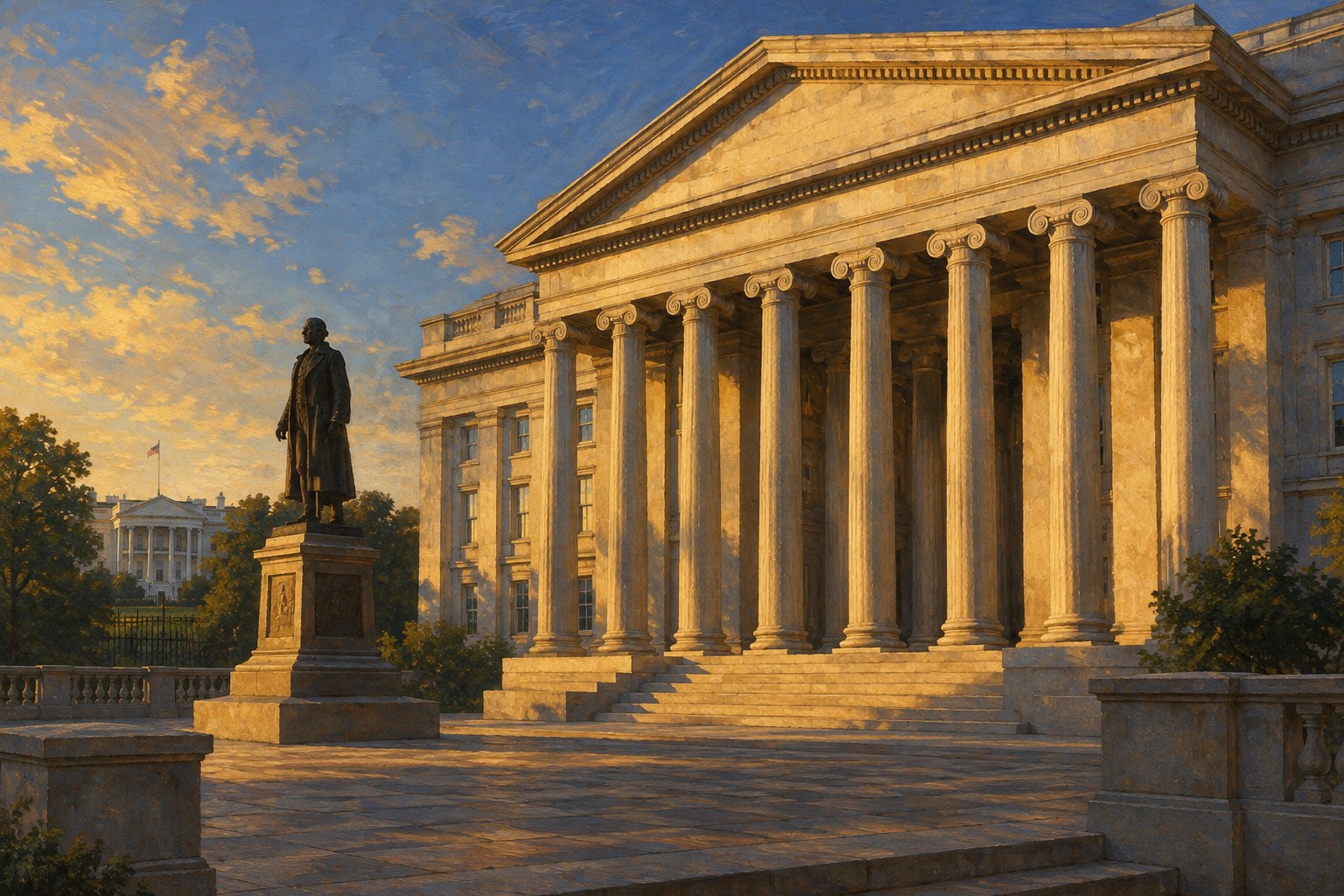
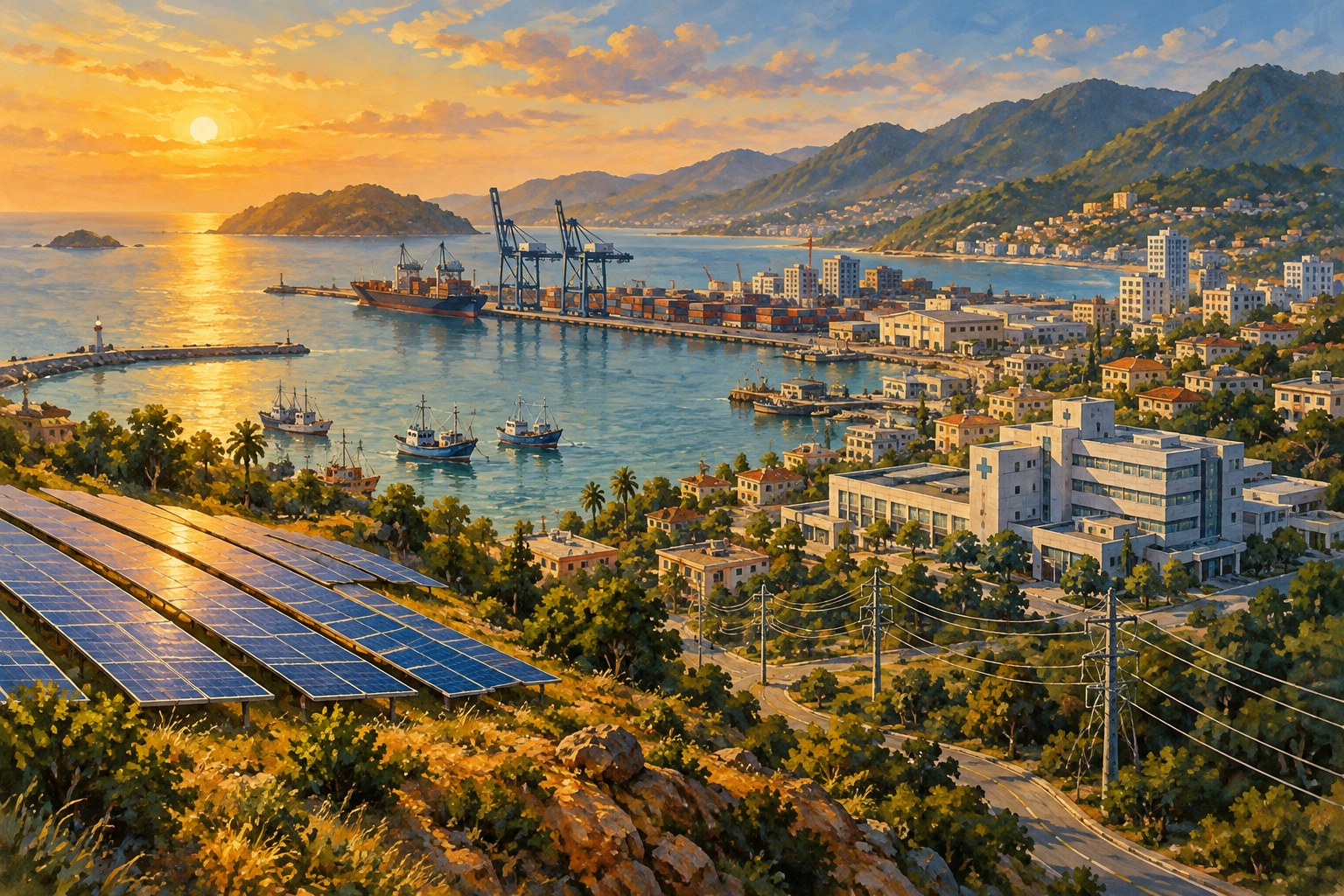
The group commits more than 100 billion dollars a year for roads, power, schools, health, water, and other projects. The United States is its largest shareholder, with about 15.5 percent of votes in the IBRD, enough to veto changes to its charter. By tradition the President nominates the bank's president, who has always been an American, and the Treasury Department represents the United States on its boards. Congress appropriates U.S. contributions to the International Development Association.
Supporters say the bank helped reduce extreme poverty and finances projects private lenders will not. Critics have faulted projects that displaced people or harmed the environment, loan conditions, and slow bureaucracy, and some conservatives question whether the United States should fund it at all. In 2025 the administration kept the United States in the bank while pushing it to focus on energy, including nuclear and fossil fuels, and economic growth rather than climate programs.
| Status | Active |
| Legal basis | Bretton Woods Agreements Act of 1945 |
| Official site | worldbank.org |
| Founded | Bretton Woods conference, 1944 |
| Institutions | IBRD, IDA, IFC, MIGA, and ICSID |
| Headquarters | Washington, D.C. |
| U.S. IBRD vote share | About 15.5 percent |
| Leader | President, by tradition an American |
| Date | Created at Bretton Woods, July 1944 |
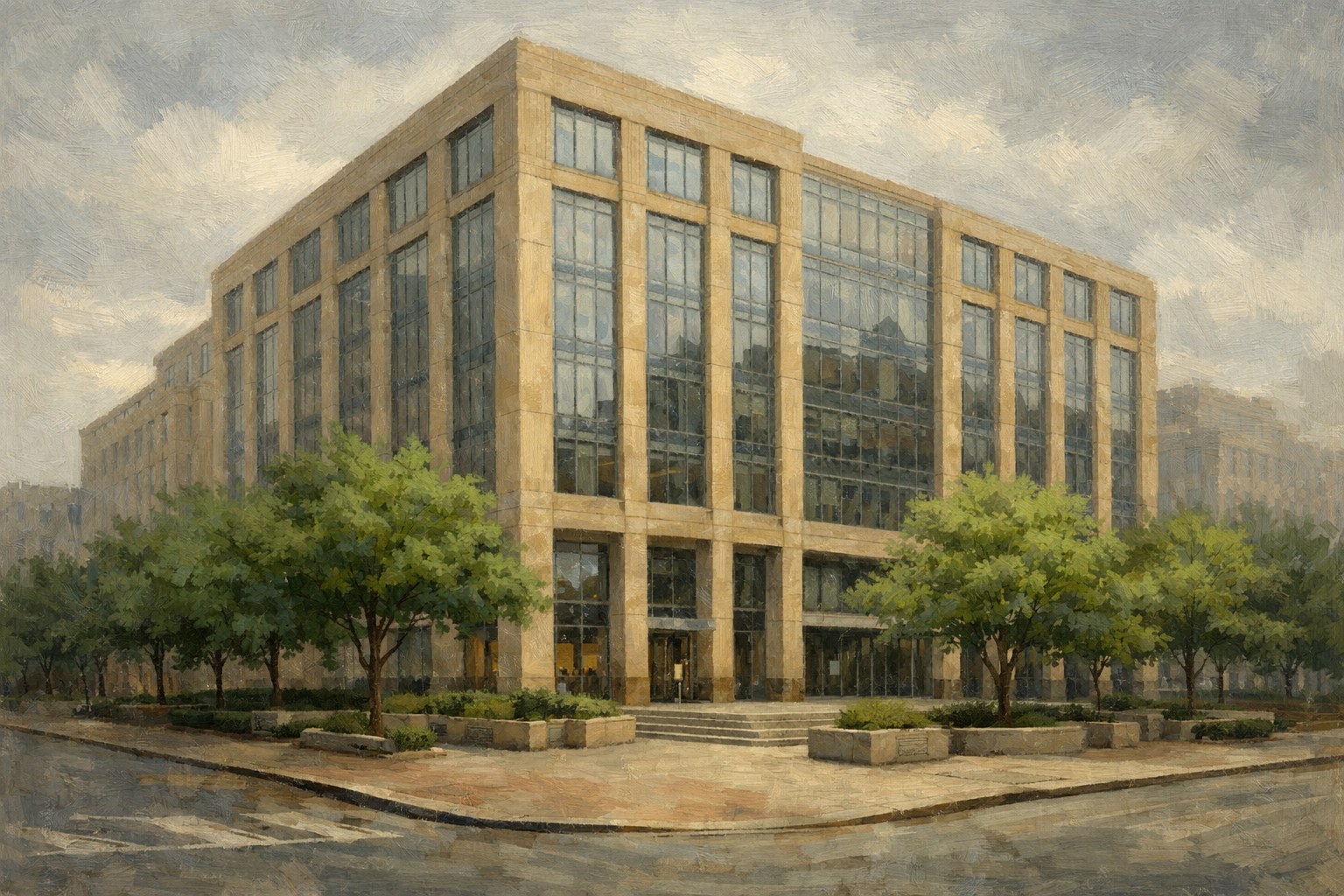
| Location | World Bank Headquarters, Washington, D.C. |