Clean Water Act
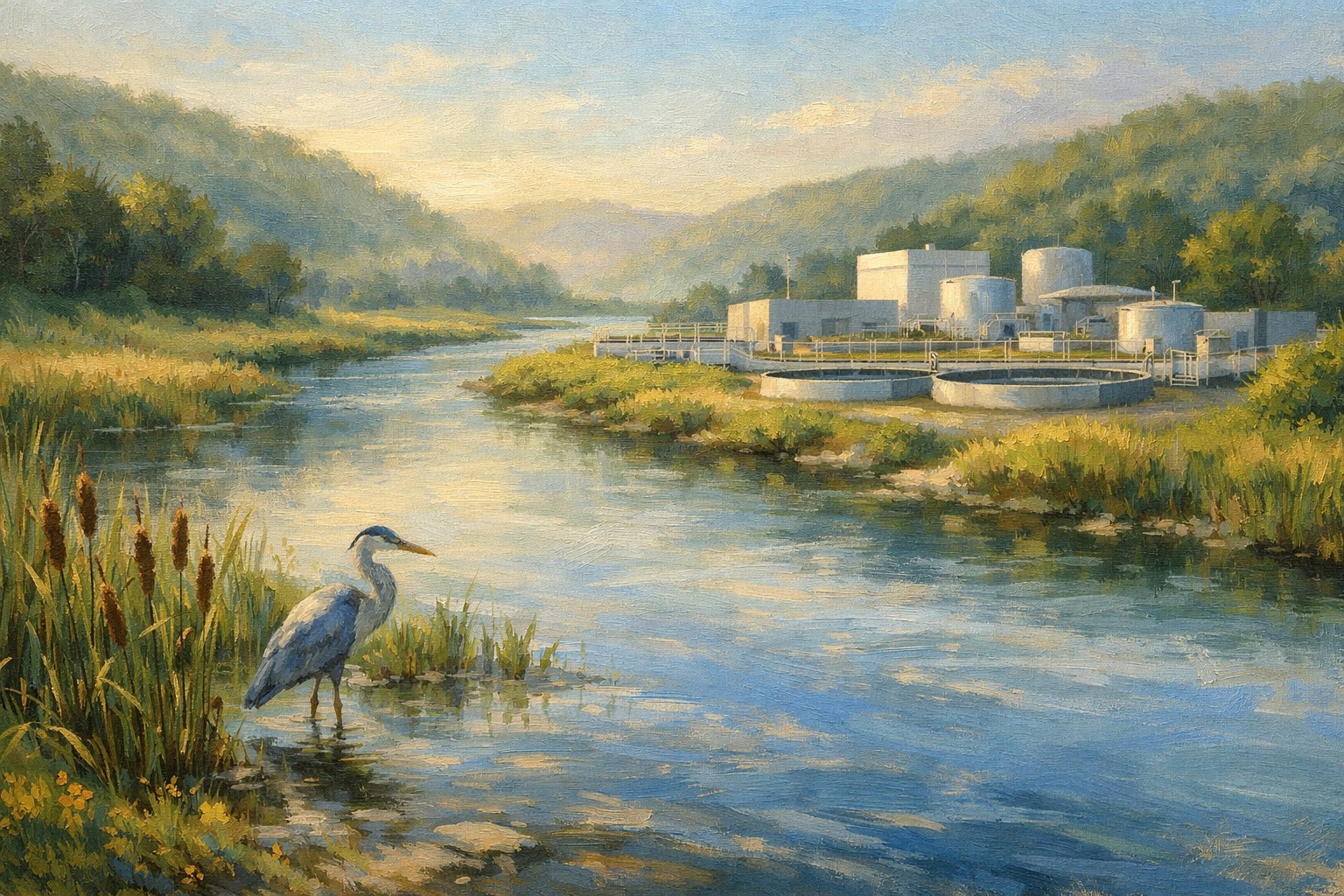
When the oily Cuyahoga River caught fire in Cleveland in June 1969, it became a symbol of the nation's polluted waterways. Congress responded with the Federal Water Pollution Control Act Amendments of 1972, known as the Clean Water Act, passed on October 18, 1972, over President Nixon's veto because of its cost. Its goal was to make the nation's waters fishable and swimmable. It makes it illegal to discharge pollutants from a pipe or other point source into waters of the United States without a permit.
EPA and authorized states issue discharge permits that set limits for factories and sewage plants, and the law funded billions of dollars in municipal treatment plants. Section 404 requires a permit from the Army Corps of Engineers to dredge or fill wetlands and streams. States set water quality standards for their waters. The share of waters meeting standards rose sharply after 1972, but runoff from farms and streets, which the law largely leaves to states, remains a leading source of pollution.
Which waters the law covers has been fought over for decades. In Sackett v. EPA, decided May 25, 2023, the Supreme Court ruled that the law covers only wetlands with a continuous surface connection to larger regulated waters, removing protection from a large share of the nation's wetlands. In 2025 the Court also limited EPA's use of vague permit terms in San Francisco v. EPA. The agencies proposed a new definition of waters of the United States in 2025 and were still working on a final rule in 2026. Farmers and builders favor narrower coverage, while environmental groups say wetlands that filter water and prevent floods are left unprotected.



| Status | Active |
| Legal basis | 33 U.S.C. 1251 and following |
| Official site | epa.gov |
| Enacted | October 18, 1972, over a veto |
| Goal | Fishable and swimmable waters |
| Permits | EPA and states for discharges, Army Corps for wetlands |
| Key case | Sackett v. EPA (2023) |
| Definition of covered waters | New rule still pending in 2026 |
| Date | Enacted October 18, 1972 |