Clean Air Act
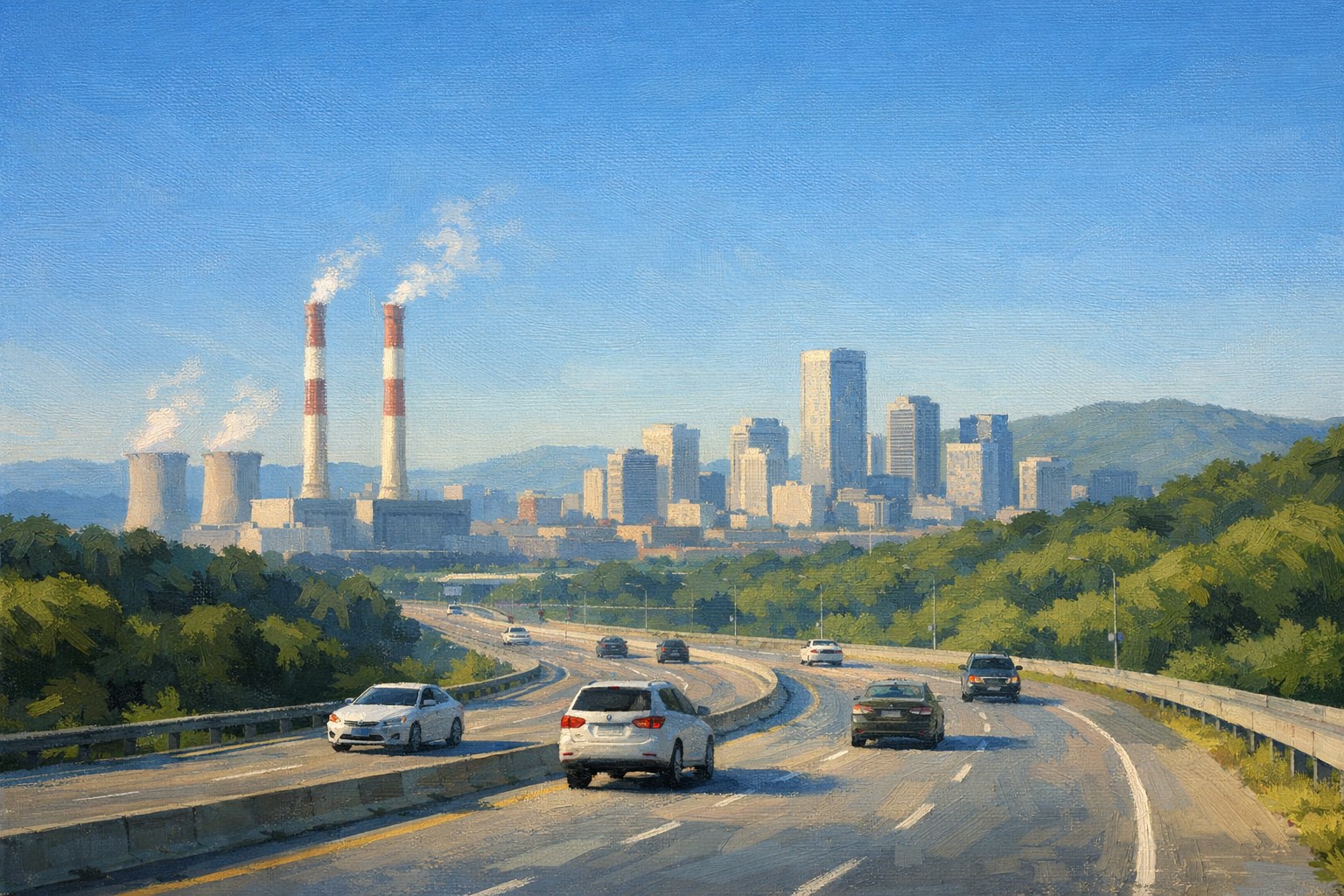
After smog choked cities like Los Angeles and a 1948 inversion in Donora, Pennsylvania, killed about 20 people, Congress passed early air pollution laws in 1955 and 1963. The modern Clean Air Act, signed December 31, 1970, directed the new Environmental Protection Agency to set national ambient air quality standards for common pollutants, required states to write plans to meet them, set emission limits for new factories and power plants, and required cleaner cars, leading to catalytic converters and the end of leaded gasoline.
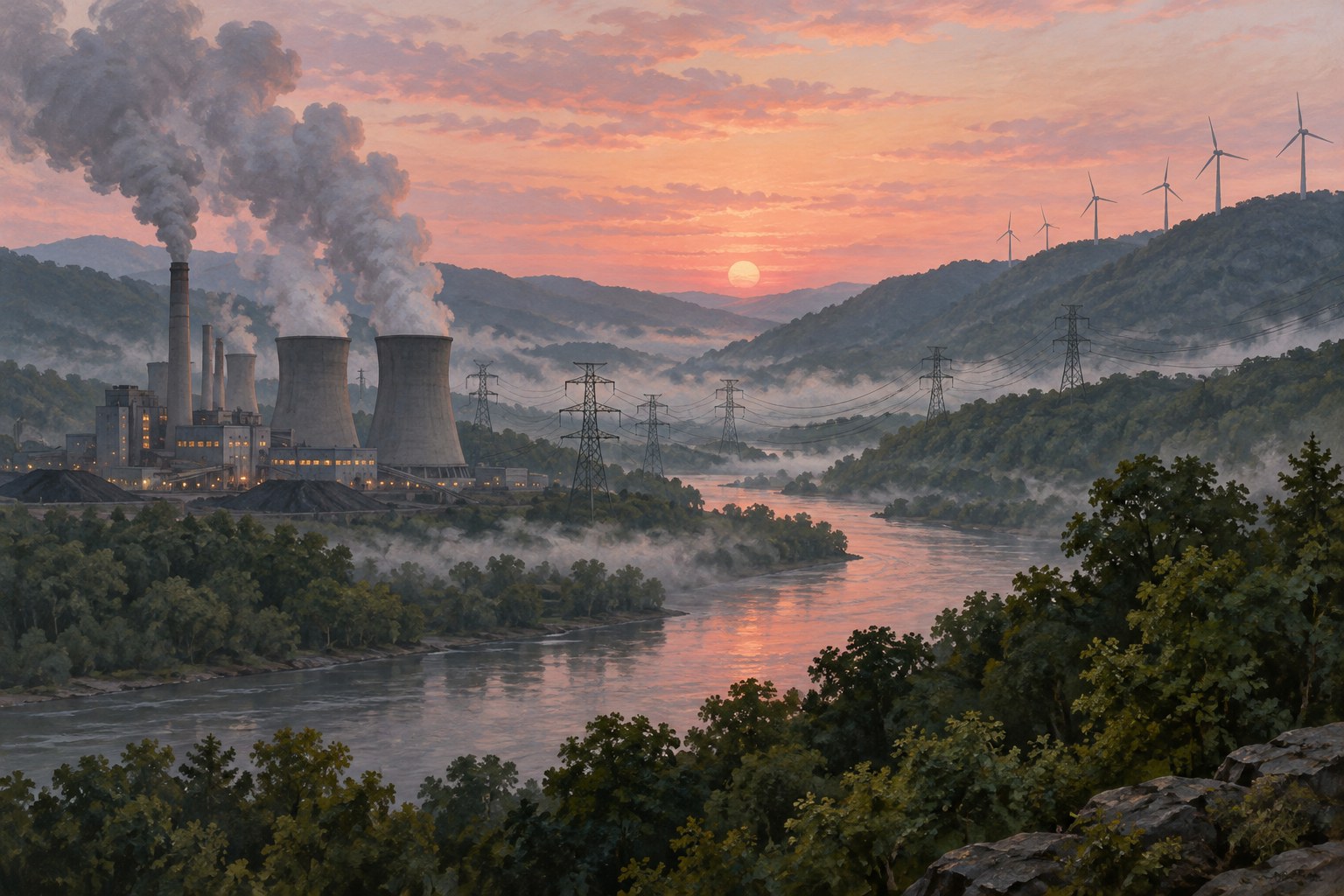
The Clean Air Act Amendments of 1990, signed by George H. W. Bush, created a cap-and-trade program that cut the sulfur dioxide behind acid rain, tightened rules on toxic air pollutants, and phased out chemicals that damage the ozone layer. EPA says combined emissions of six common pollutants fell about 78 percent from 1970 to 2020 while the economy grew. California may seek waivers to set stricter vehicle standards, which other states can adopt.
Climate change has made the act a battleground. In Massachusetts v. EPA in 2007 the Supreme Court held that greenhouse gases are air pollutants, and EPA found in 2009 that they endanger public health. In West Virginia v. EPA in 2022 the Court limited EPA's power to reshape the power sector, in June 2025 Congress used the Congressional Review Act to revoke California waivers for electric vehicle rules, and on February 12, 2026, EPA repealed the 2009 finding and all federal vehicle greenhouse gas standards. Two dozen states and health and environmental groups sued, while supporters said the act was never meant to address climate change.


| Status | Active |
| Legal basis | 42 U.S.C. 7401 and following |
| Official site | epa.gov |
| Signed | December 31, 1970 |
| Major amendments | 1977 and 1990 |
| Pollution drop | About 78 percent for six common pollutants, 1970 to 2020 |
| Key climate case | Massachusetts v. EPA (2007) |
| Endangerment finding repealed | February 12, 2026 |
| Date | Signed December 31, 1970 |