Roe v. Wade
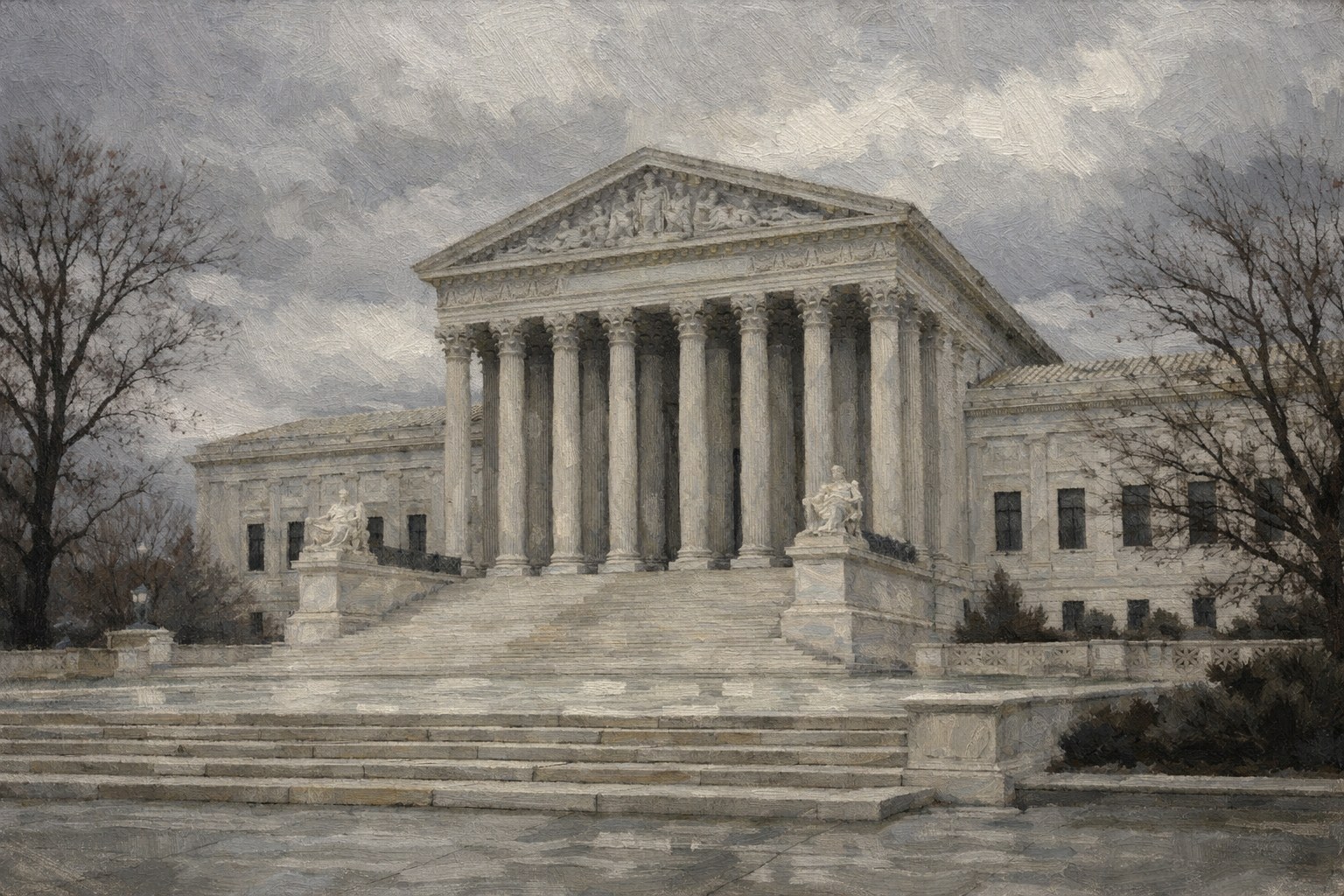
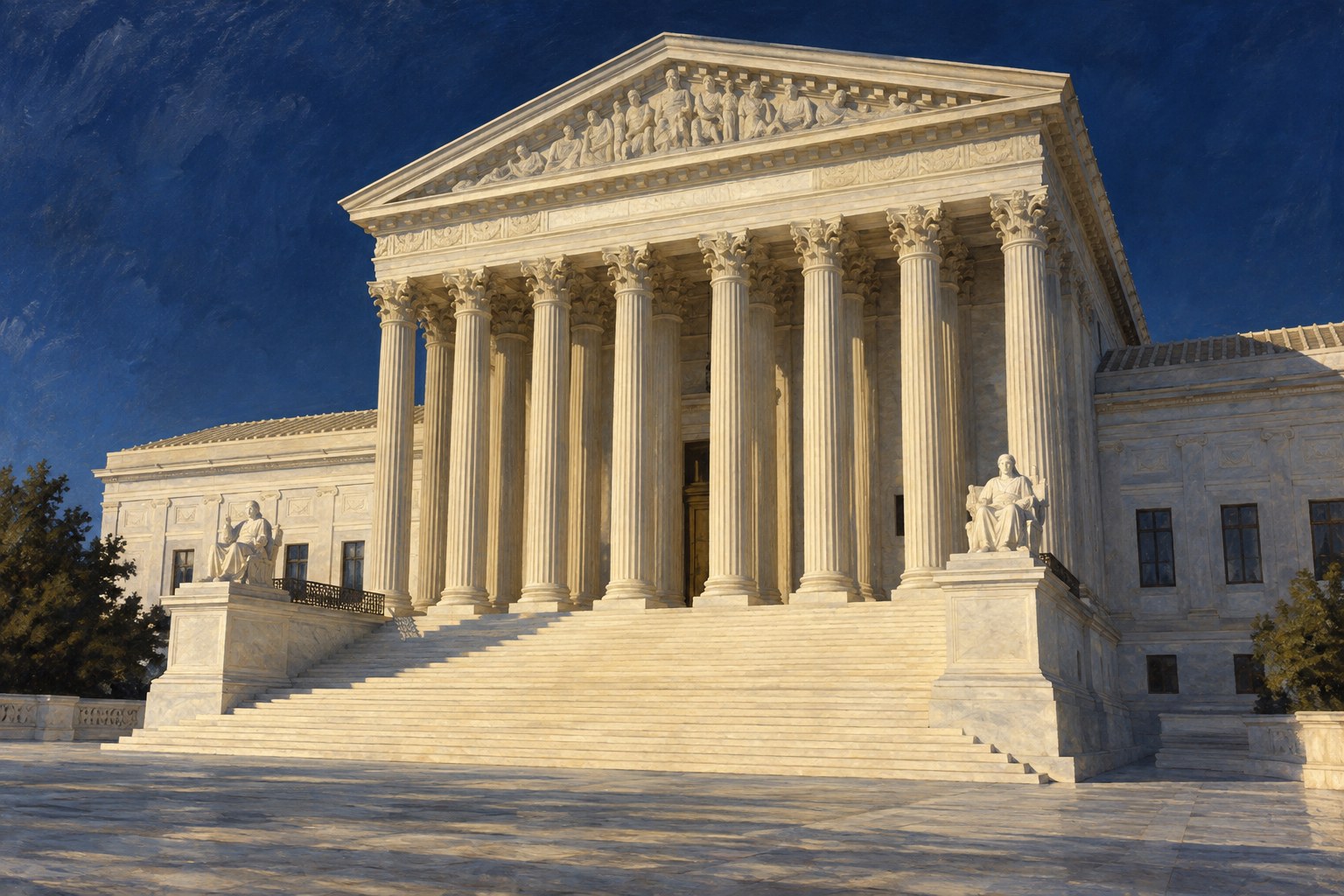
Norma McCorvey, using the name Jane Roe, challenged a Texas law banning abortion except to save the woman's life. On January 22, 1973, the Supreme Court ruled 7 to 2, in an opinion by Justice Harry Blackmun, that the right to privacy in the Due Process Clause of the Fourteenth Amendment covers a woman's decision to have an abortion. It set a trimester framework: states could not restrict abortion in the first trimester, could regulate it to protect health in the second, and could ban it after viability except to protect the woman's life or health.
The decision struck down laws in most states and made abortion one of the most divisive issues in American politics. Congress responded in 1976 with the Hyde Amendment, which bars most federal Medicaid funding of abortions. In Planned Parenthood v. Casey in 1992 the Court reaffirmed the core of Roe but replaced the trimester framework with an undue burden standard, letting states regulate before viability so long as they did not place a substantial obstacle in the way of a woman seeking an abortion.
Supporters of Roe saw it as protecting women's equality, health, and control over their lives. Critics, including some who supported legal abortion, argued it lacked a basis in the Constitution's text and took the issue away from voters. On June 24, 2022, in Dobbs v. Jackson Women's Health Organization, the Court overruled both Roe and Casey and returned the issue to the states and Congress.

| Status | Active |
| Legal basis | 410 U.S. 113 |
| Official site | oyez.org |
| Decided | January 22, 1973 |
| Vote | 7 to 2 |
| Opinion | Justice Harry Blackmun |
| Modified | Planned Parenthood v. Casey (1992) |
| Overruled | Dobbs v. Jackson (2022) |
| Date | Decided January 22, 1973 |