Dobbs v. Jackson Women's Health Organization
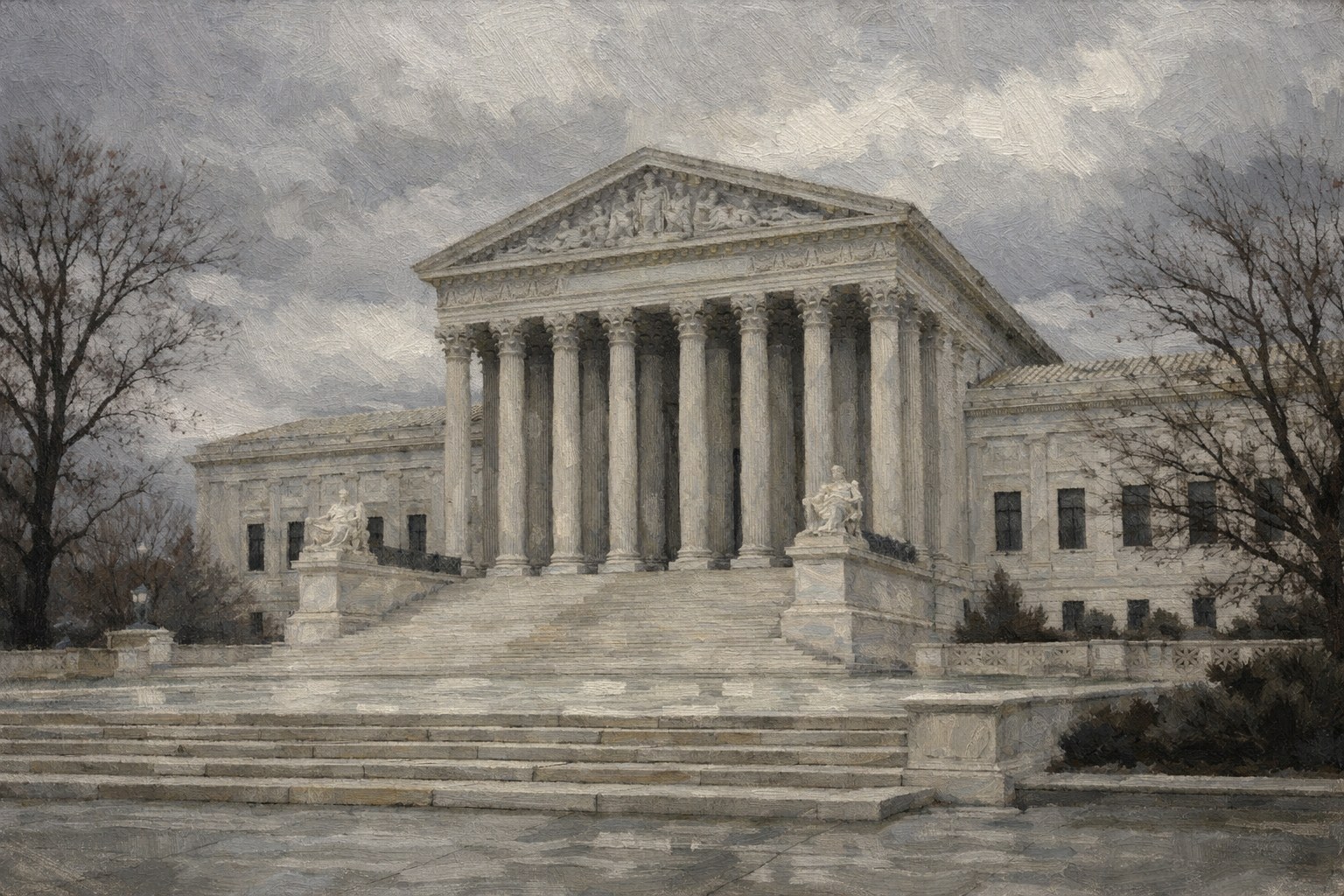
Mississippi's only abortion clinic challenged a 2018 state law banning most abortions after 15 weeks. On June 24, 2022, the Supreme Court upheld the law 6 to 3 and, by a 5 to 4 vote, overruled Roe v. Wade and Planned Parenthood v. Casey. Justice Samuel Alito's majority opinion held that the Constitution makes no reference to abortion and that the right is not deeply rooted in the nation's history and tradition, so it is not protected by the Due Process Clause. A draft of the opinion had leaked in May 2022.
Chief Justice John Roberts agreed to uphold the Mississippi law but would not have overruled Roe entirely. Justices Stephen Breyer, Sonia Sotomayor, and Elena Kagan dissented, writing that the decision stripped women of a long-recognized right and threatened other rights based on privacy. Justice Clarence Thomas wrote separately that the Court should reconsider other due process precedents, while the majority said its ruling concerned only abortion.
After Dobbs, abortion law became a state matter. About 13 states stopped nearly all abortions and four more banned most after about six weeks, while other states added protections, often through ballot measures. Voters sided with abortion rights supporters in most ballot measures from 2022 to 2024, though some failed. On November 3, 2026, voters in Missouri voted on whether to reverse their 2024 abortion rights amendment, and voters in several other states voted on abortion measures. Reported abortions nationwide rose to about 1.13 million in 2025, helped by pills prescribed by telehealth.

| Status | Active |
| Legal basis | 597 U.S. 215 |
| Official site | oyez.org |
| Decided | June 24, 2022 |
| Vote | 6 to 3 to uphold, 5 to 4 to overrule Roe |
| Opinion | Justice Samuel Alito |
| States with near-total bans | About 13 |
| Reported abortions | About 1.13 million in 2025 |
| Date | Decided June 24, 2022 |