Trusted Traveler Programs
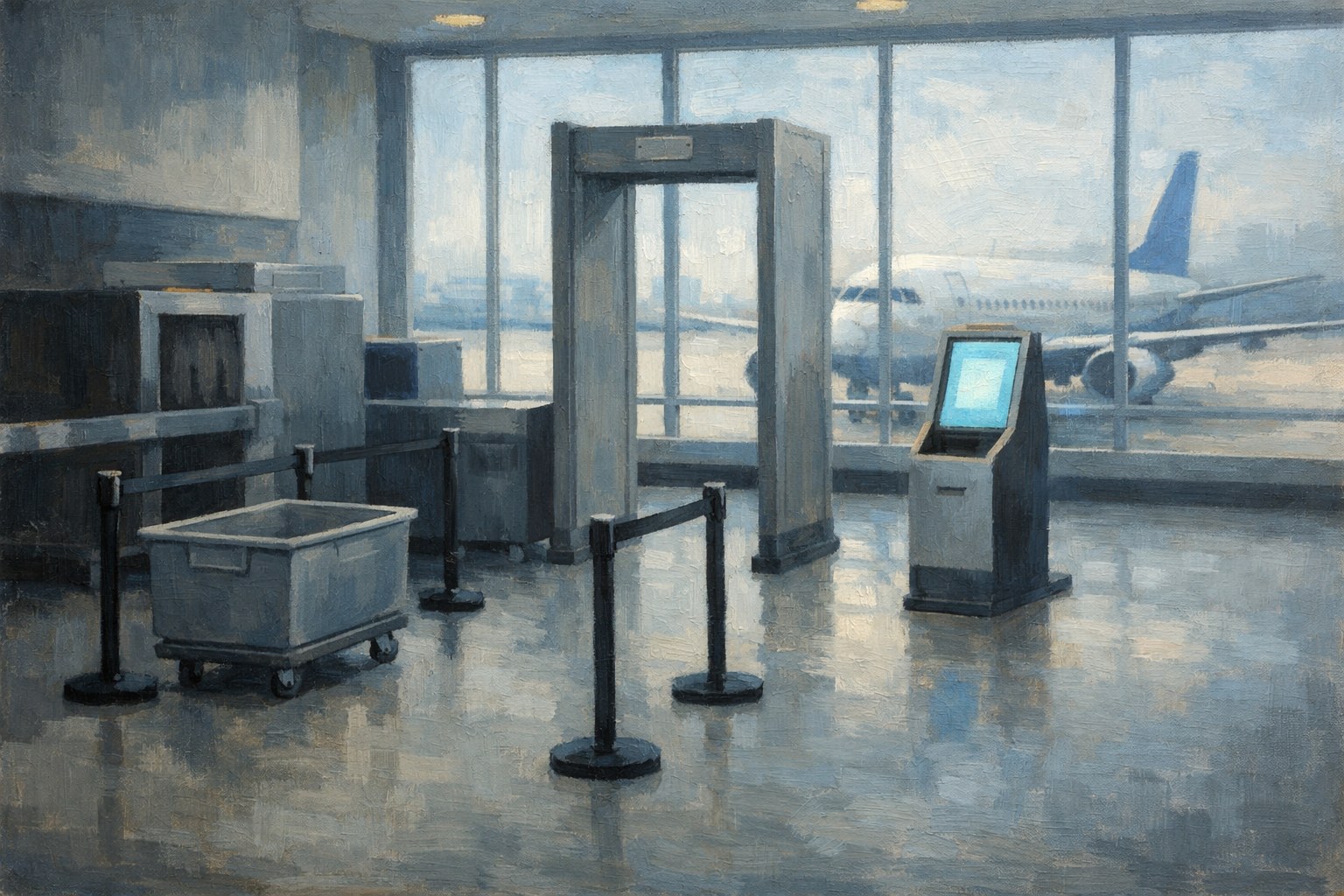
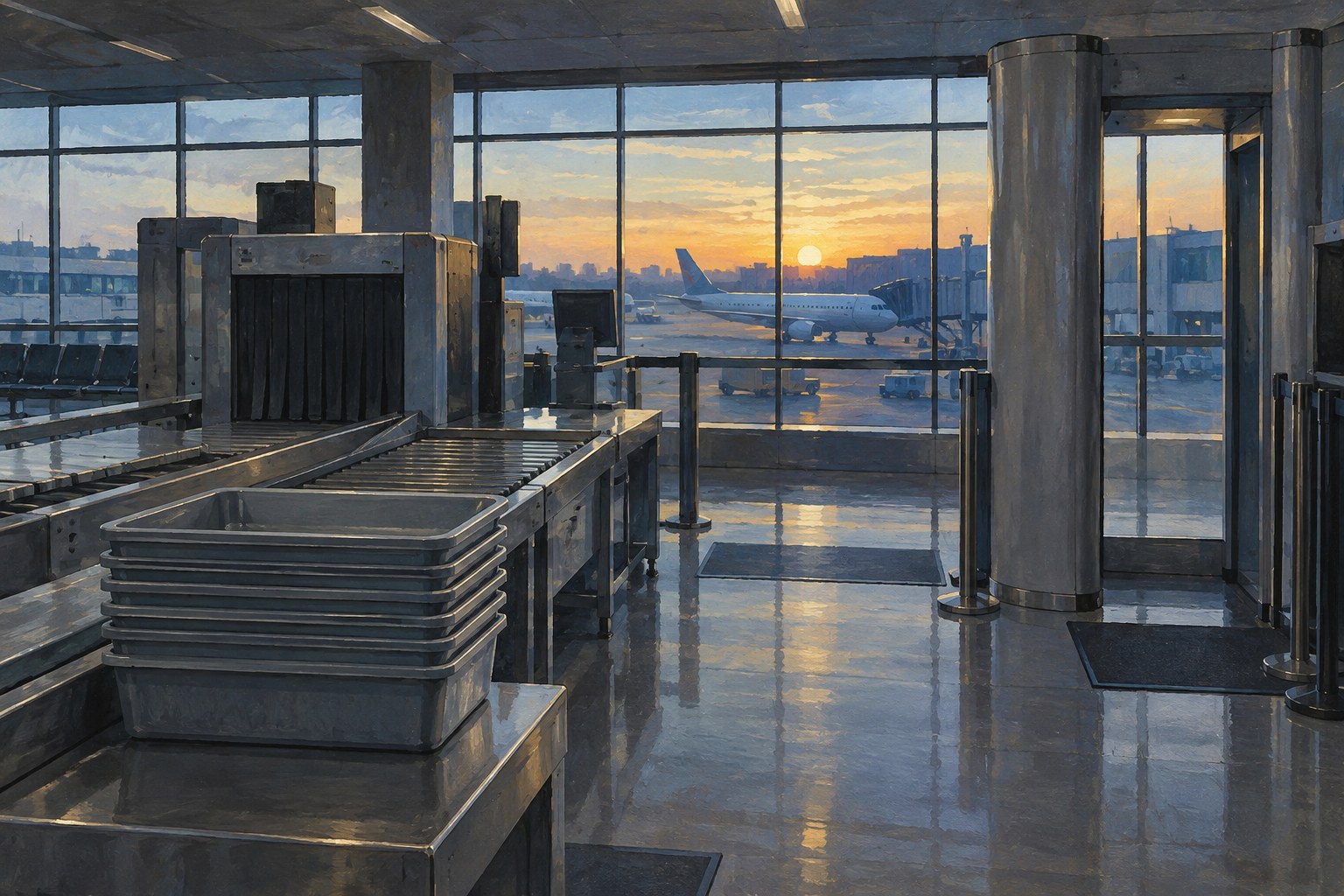
After the September 11 attacks made screening slower for everyone, the government created programs that let low-risk travelers who pass a background check skip some steps. Customs and Border Protection launched Global Entry as a pilot in 2008, letting approved travelers use kiosks or facial recognition instead of an officer interview when entering the United States. The Transportation Security Administration launched PreCheck in 2011, letting members keep shoes, belts, and light jackets on and leave laptops in their bags at airport security.
Applicants pay a fee, submit to fingerprints and a background check, and usually have a short interview. In 2025 PreCheck cost about 78 dollars for five years and Global Entry 120 dollars for five years, and Global Entry includes PreCheck. NEXUS covers travel between the United States and Canada and SENTRI covers land crossings from Mexico. Some credit cards reimburse the fees. Members can lose their status for customs violations, criminal charges, or security concerns.
The programs have grown to tens of millions of members, and some airports now have PreCheck lines as long as the regular ones at busy times. Privacy advocates have questioned the growing use of facial recognition at checkpoints and borders. Supporters say the programs let screeners focus on unknown travelers, while critics say security should not depend on who can afford a fee and that background checks cannot catch every threat.


| Status | Active |
| Legal basis | 49 U.S.C. 109 note (TSA PreCheck), 8 U.S.C. 1365b |
| Official site | ttp.dhs.gov |
| Global Entry | Customs and Border Protection, since 2008 |
| TSA PreCheck | Since 2011 |
| PreCheck cost | About 78 dollars for five years (2025) |
| Global Entry cost | 120 dollars for five years, includes PreCheck |
| Regional programs | NEXUS (Canada), SENTRI (Mexico) |
| Date | Global Entry pilot began June 2008 |