U.S. Cyber Command USCYBERCOM
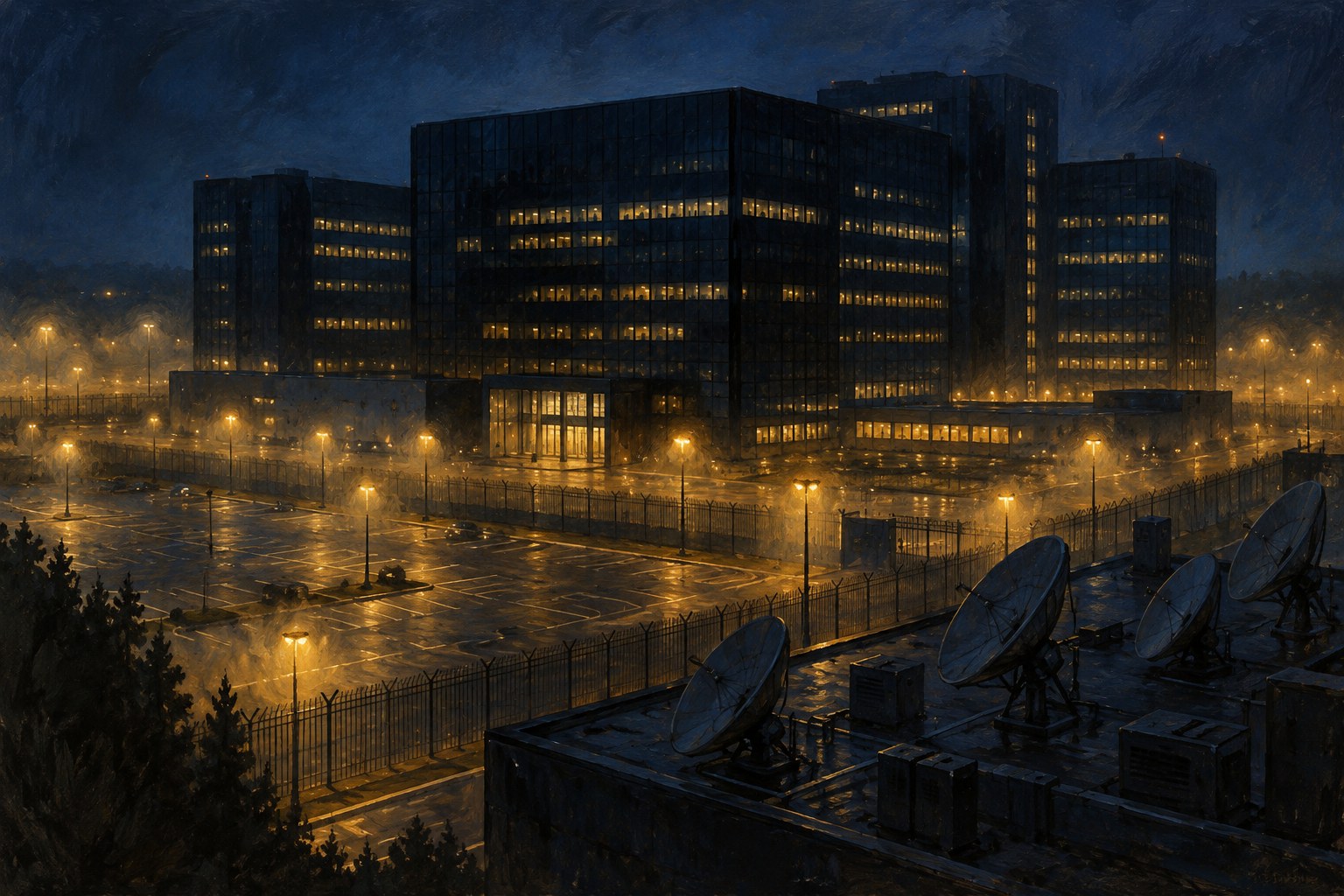
U.S. Cyber Command was created in 2009 and began operating in May 2010 at Fort Meade, Maryland, as part of U.S. Strategic Command, after a 2008 intrusion into classified military networks showed how exposed they were. It was elevated to a full unified combatant command on May 4, 2018. Since its founding, the same four-star officer has led both Cyber Command and the National Security Agency, an arrangement known as the dual hat.
The command has three missions: defending the Defense Department's own networks, supporting other military commands with cyber operations, and defending the nation against significant cyberattacks. It draws on the Cyber Mission Force, about 133 teams of roughly 6,000 service members provided by the Army, Navy, Air Force, Marine Corps, and Coast Guard. Since 2018 it has followed a strategy called defend forward, operating in foreign networks to disrupt threats before they reach the United States, including operations to protect the 2018 and later elections.
Congress has debated for years whether to end the dual hat, which supporters say lets the command use NSA tools and intelligence quickly and critics say gives one officer too much power and blurs the line between intelligence and military operations. The firing of the officer leading both organizations in April 2025 renewed questions about their leadership. The command has also been criticized for struggling to recruit and keep skilled personnel, prompting plans for a reorganization announced in 2025.
| Status | Active |
| Abbreviation | USCYBERCOM |
| Led by | Commander |
| Legal basis | 10 U.S.C. 167b |
| Official site | cybercom.mil |
| Began operating | May 2010 |
| Full combatant command | May 4, 2018 |
| Headquarters | Fort Meade, Maryland |
| Leadership | Shared with the NSA director (the dual hat) |
| Cyber Mission Force | About 133 teams |
| Date | Began operating May 21, 2010 |
| Location | Fort Meade, Maryland |