Federal Regions and Field Offices
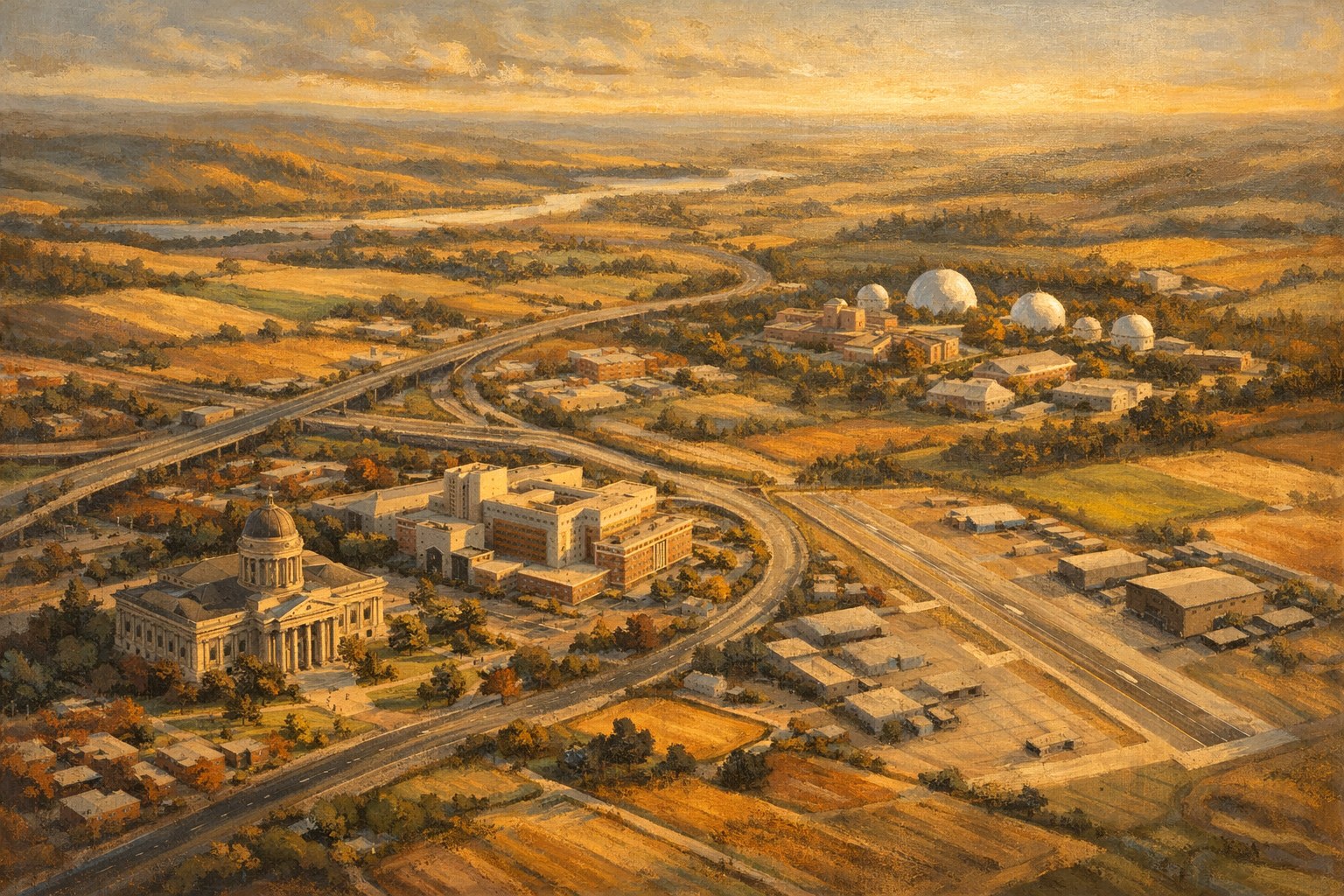
Although Washington is the capital, about 80 percent of full-time federal civilian employees work outside the District of Columbia, Maryland, and Virginia. California, Texas, Florida, and Georgia have the most. Veterans hospitals, military bases, IRS service centers in places such as Kansas City, Ogden, and Austin, Social Security offices in nearly every county, national parks and forests, border crossings, airports, federal courts, and research labs such as those of NASA, NOAA, and the Energy Department spread federal jobs across the country.
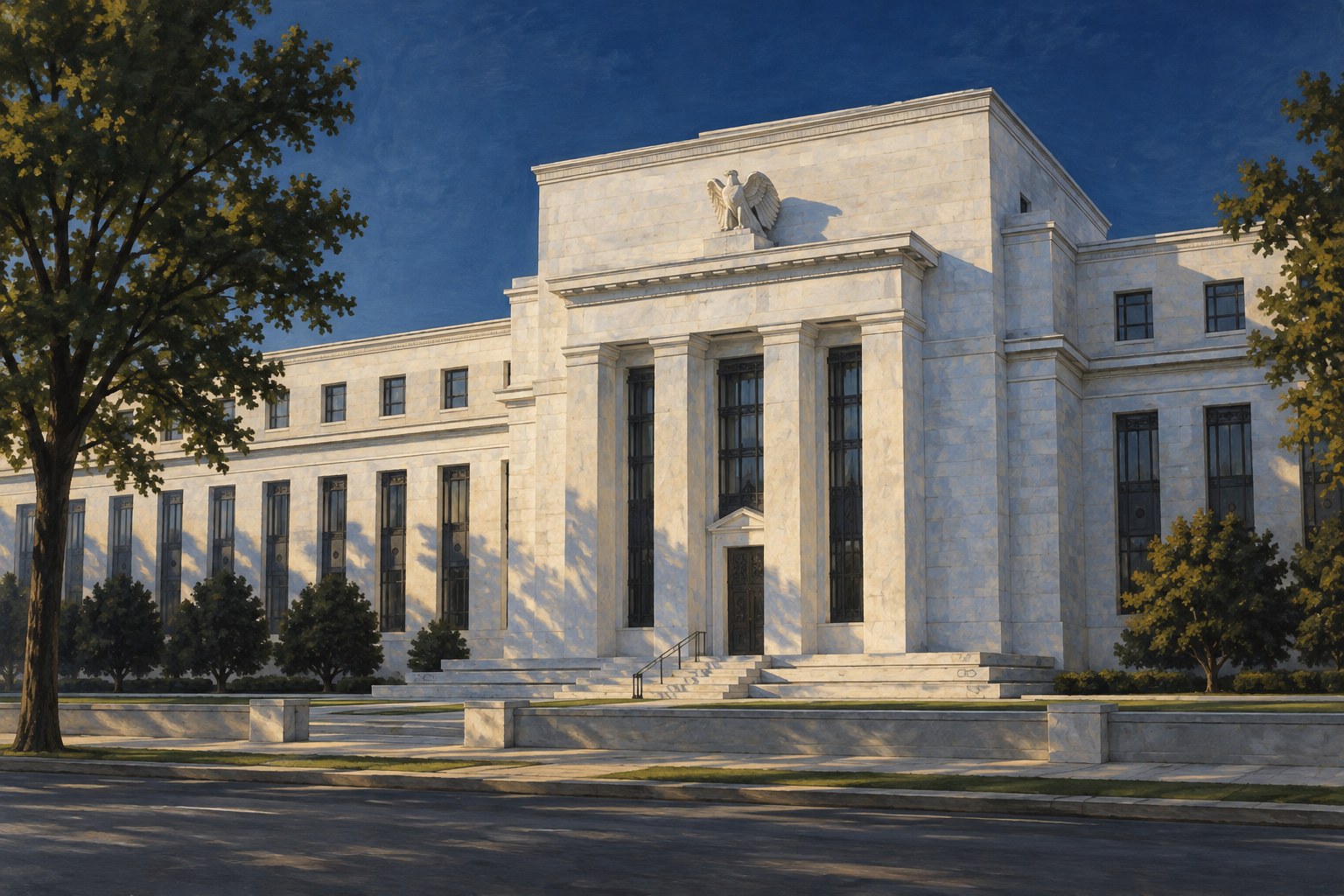
In 1969 President Nixon created ten standard federal regions, each with a headquarters city, so that agencies dealing with states and localities would use the same map: Boston, New York, Philadelphia, Atlanta, Chicago, Dallas, Kansas City, Denver, San Francisco, and Seattle. Agencies such as EPA, FEMA, HHS, HUD, and Labor still organize regional offices this way, while others, such as the FBI with 55 field offices, the Federal Reserve with 12 district banks, and the federal courts with 94 districts, use their own maps.
Some agencies are headquartered outside Washington, including the Social Security Administration in suburban Baltimore, the Centers for Disease Control and Prevention in Atlanta, and the Tennessee Valley Authority in Knoxville. Field offices deliver most services Americans use, which is why closures and staff cuts, such as those to Social Security and other field offices in 2025, draw attention in Congress. Supporters of moving more work out of Washington say it brings government closer to the public and lowers costs, while critics warn that forced moves cause experienced staff to quit.





| Status | Active |
| Legal basis | OMB Circular A-105 |
| Official site | opm.gov |
| Outside the Washington area | About 80 percent of federal employees |
| Standard federal regions | 10, since 1969 |
| FBI field offices | 55 |
| Federal Reserve district banks | 12 |
| States with most federal workers | California, Texas, Florida, Georgia |
| Date | Ten standard federal regions since 1969 |