The U.S. Steel Golden Share
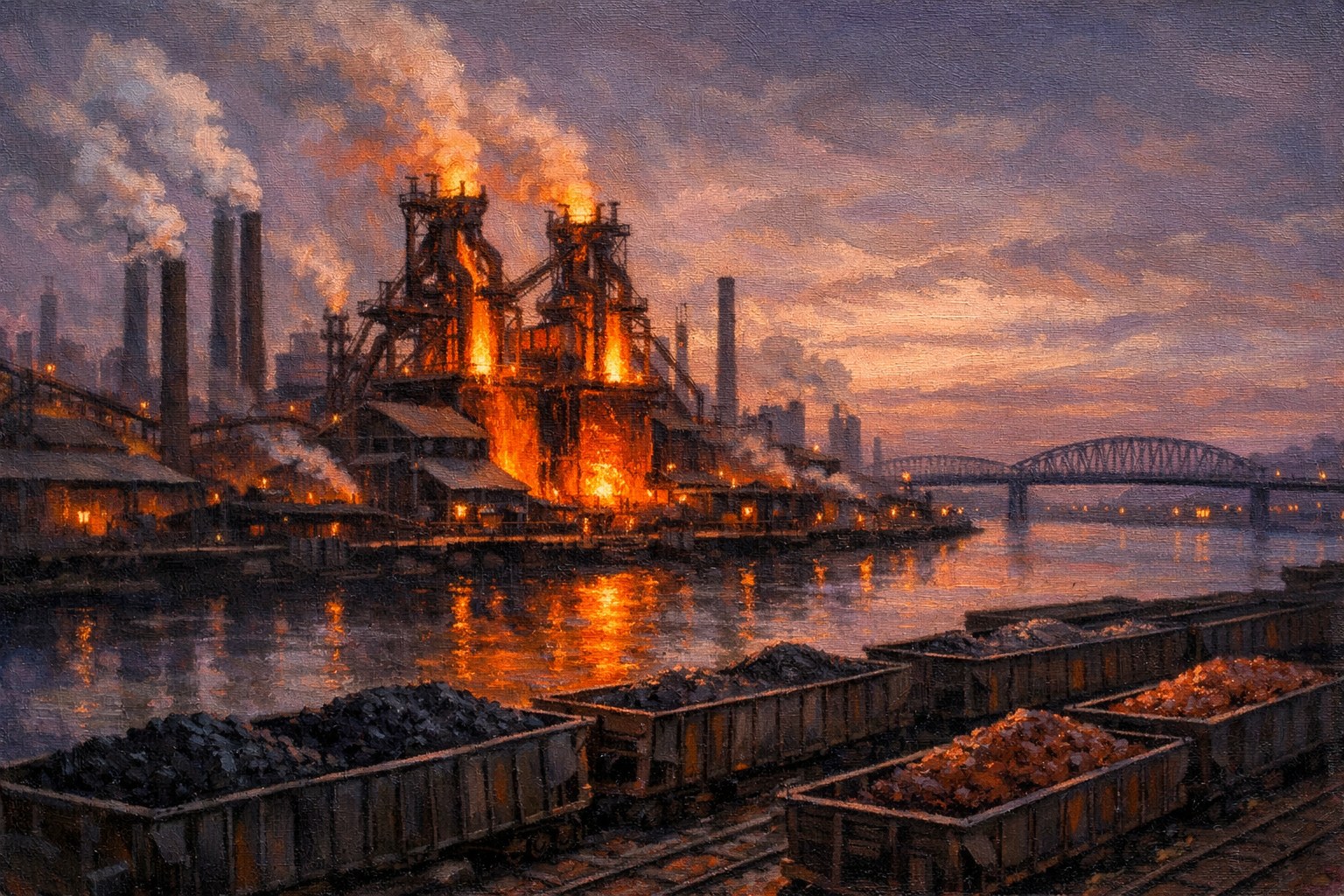
Japan's Nippon Steel agreed in December 2023 to buy U.S. Steel, the Pittsburgh company founded in 1901, for about 14.9 billion dollars. The deal faced opposition from the steelworkers union and politicians of both parties, and in January 2025 President Biden blocked it on national security grounds after a review by the Committee on Foreign Investment in the United States. The companies sued.
In June 2025 the new administration approved the deal under a national security agreement that gave the federal government a golden share, a single special share carrying veto rights over certain decisions. They include moving the headquarters out of Pittsburgh, changing the company's name, closing or idling plants, moving production or jobs abroad, and cutting planned investments. Nippon Steel also committed to invest about 11 billion dollars in U.S. plants by 2028. The President personally holds the rights during his term, with control passing to the Treasury and Commerce departments afterward.
Golden shares are common in Europe and Asia but were new for a major U.S. company. Supporters said the arrangement protected American jobs and national security while allowing foreign investment. Critics said it gave the President extraordinary personal power over a private company and could discourage investment, and they asked how the veto would be used. It was followed by a series of government equity stakes in other companies later in 2025.


| Status | Active |
| Legal basis | Defense Production Act section 721 (CFIUS) national security agreement |
| Official site | home.treasury.gov |
| Buyer | Nippon Steel |
| Price | About 14.9 billion dollars |
| Blocked | January 2025 |
| Approved | June 2025 with a golden share |
| Vetoes | Headquarters move, name change, plant closures, offshoring |
| Date | National security agreement June 2025 |
| Location | Pittsburgh, Pennsylvania |