Product Recalls
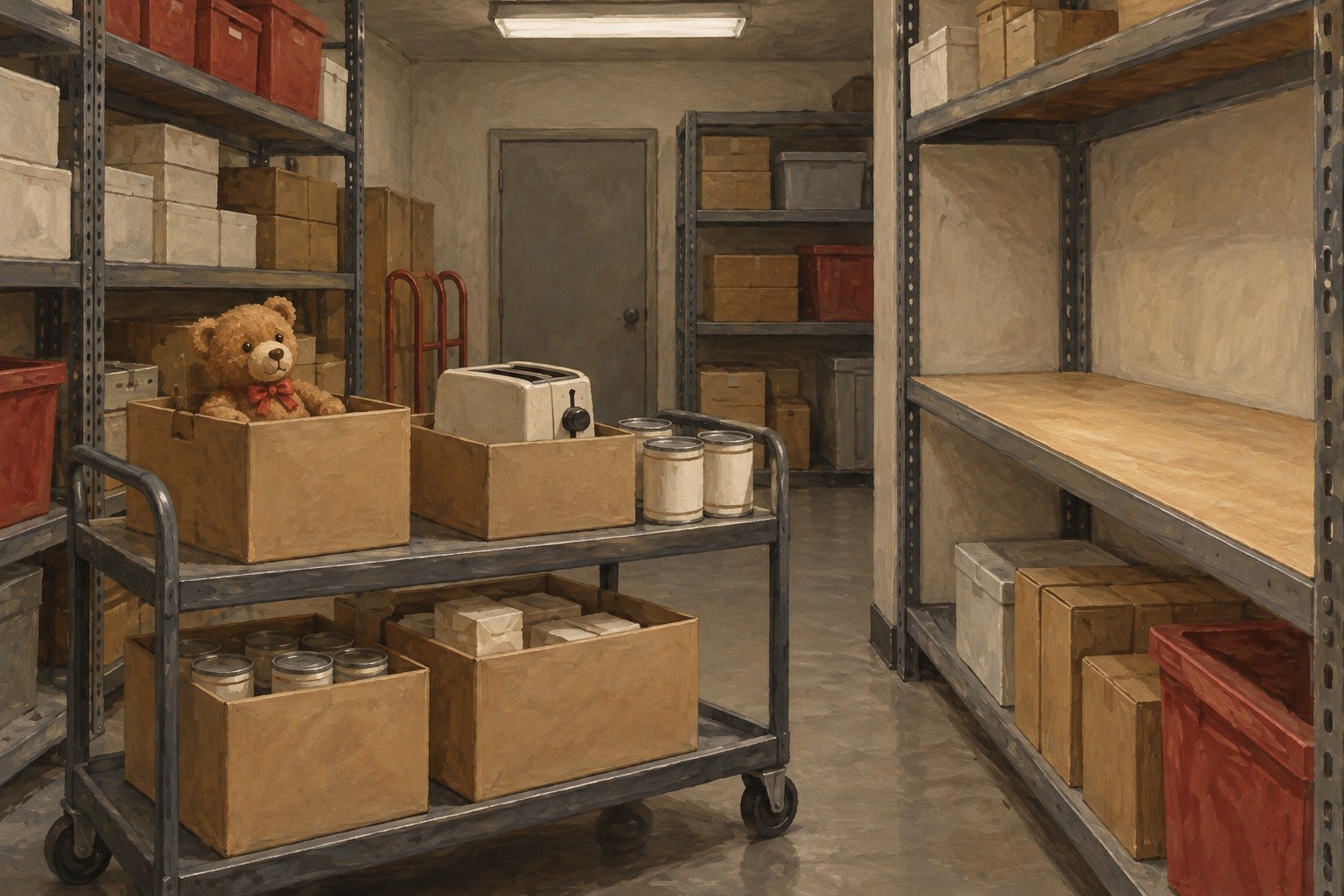
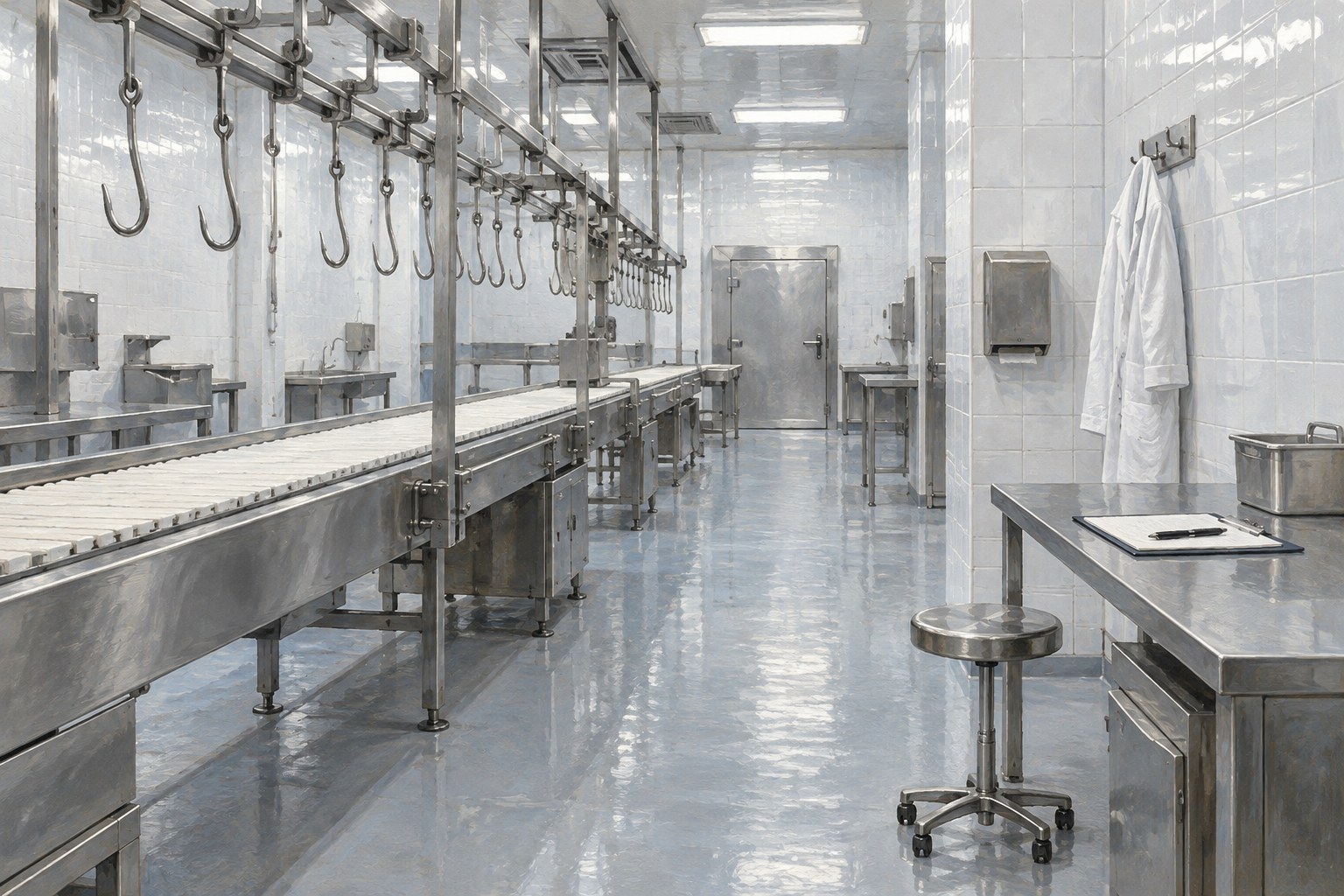
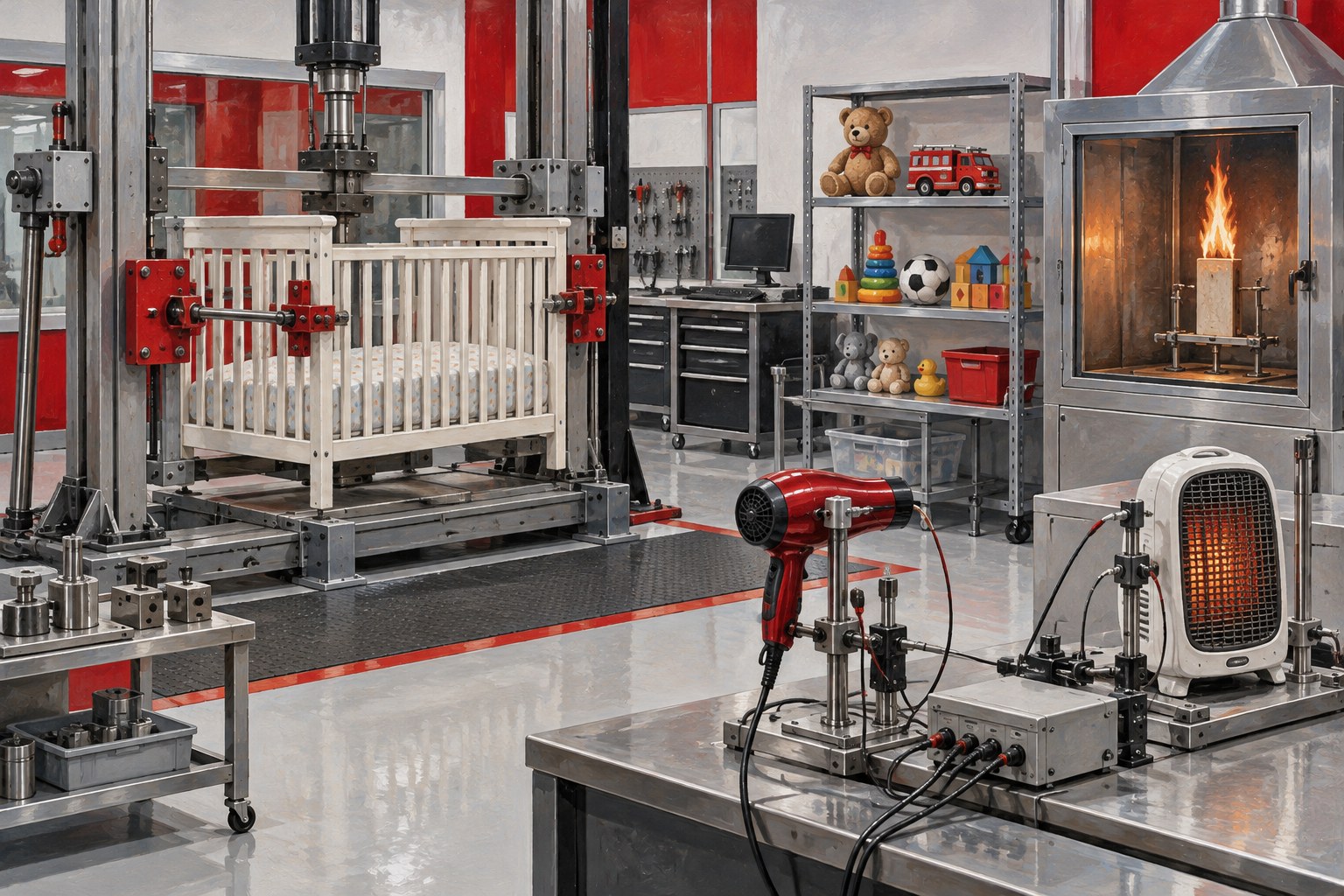
Several agencies share recall authority. The Consumer Product Safety Commission covers about 15,000 kinds of household and recreational products, from toys and cribs to appliances. The National Highway Traffic Safety Administration covers cars, trucks, tires, and child car seats. The Food and Drug Administration covers most food, drugs, medical devices, and cosmetics, while the Agriculture Department's Food Safety and Inspection Service covers meat, poultry, and processed eggs. The Environmental Protection Agency handles pesticides, and the Coast Guard recreational boats.
Most recalls are voluntary, started by companies after they find a defect or after an agency investigates, though agencies can order or sue for recalls when companies refuse. Manufacturers must report safety defects and certain injuries, and the agencies classify recalls by risk, with the most serious involving a reasonable chance of death or serious injury. Vehicle makers must notify owners and fix defects for free. The largest auto recall in history involved tens of millions of Takata air bag inflators that could rupture, recalled starting in 2013. The government posts recalls at recalls.gov and agency websites.
The Food Safety Modernization Act of 2011 gave the FDA power to order mandatory recalls of food, and the 2022 cosmetics law extended that power to cosmetics. Critics say recalls reach too few consumers, with many recalled products never returned or repaired, and that penalties for late reporting are too small. In 2025 the President removed three consumer product safety commissioners and the administration proposed folding the commission into the Department of Health and Human Services. Industry groups say most companies act quickly and that heavier rules would raise costs, while consumer advocates call for stronger enforcement.



| Status | Active |
| Legal basis | Consumer Product Safety Act, National Traffic and Motor Vehicle Safety Act, Food Safety Modernization Act |
| Official site | recalls.gov |
| Consumer products | Consumer Product Safety Commission |
| Vehicles and car seats | National Highway Traffic Safety Administration |
| Food, drugs, devices | Food and Drug Administration |
| Meat and poultry | USDA Food Safety and Inspection Service |
| Government portal | recalls.gov |
| Date | Consumer Product Safety Act signed October 27, 1972 |