Who Keeps Travel Safe: Air Traffic Control, the NTSB, and More
Key takeaways
- The Department of Transportation and its agencies set safety rules for planes, cars, trucks, trains, pipelines, and ships, while the Coast Guard and TSA sit in Homeland Security.
- FAA air traffic controllers handle about 45,000 flights a day but were about 3,500 certified controllers short in 2025, and much of their equipment is decades old.
- The independent NTSB investigates crashes and recommends fixes but cannot enforce them. It issued 50 recommendations after the January 2025 Potomac midair collision that killed 67.
- About 39,000 people died on U.S. roads in 2024, far more than in all other modes combined, and deaths fell about 8 percent in early 2025.
- Congress approved 12.5 billion dollars in 2025 to modernize air traffic control, and the FAA has sought billions more.
- Debates include privatizing air traffic control, regulating self-driving cars, and how to fund safety agencies.
Every day millions of Americans fly, drive, ride trains, and depend on pipelines and ships, mostly without thinking about the agencies that set the rules, watch the skies, and investigate when things go wrong.
This guide explains who does what, from air traffic controllers to crash investigators, and the problems and debates that came to the fore after a deadly 2025 collision near Washington.
FAA controllers in towers and radar centers guide about 45,000 flights a day. The workforce has never fully recovered from staffing problems: at the end of September 2025 the FAA had about 13,200 controllers, roughly 3,500 fewer certified controllers than it says it needs, and many work mandatory overtime. Much equipment dates to the 1980s and 1990s, and radar and radio outages disrupted Newark airport in the spring of 2025. A July 2025 law provided 12.5 billion dollars for new radar, radios, and facilities. During the 43-day shutdown in the fall of 2025, controllers worked without pay and the FAA ordered flight cuts at 40 major airports.
The Federal Railroad Administration regulates freight and passenger railroads, including Amtrak. The derailment of a train carrying hazardous chemicals in East Palestine, Ohio, on February 3, 2023, led to calls for tighter rail rules. The Pipeline and Hazardous Materials Safety Administration oversees millions of miles of pipelines and the shipment of hazardous materials. At sea, the Coast Guard inspects ships and enforces safety rules, and the collapse of Baltimore's Francis Scott Key Bridge after a cargo ship struck it on March 26, 2024, killing six workers, led to new attention to bridge protection.
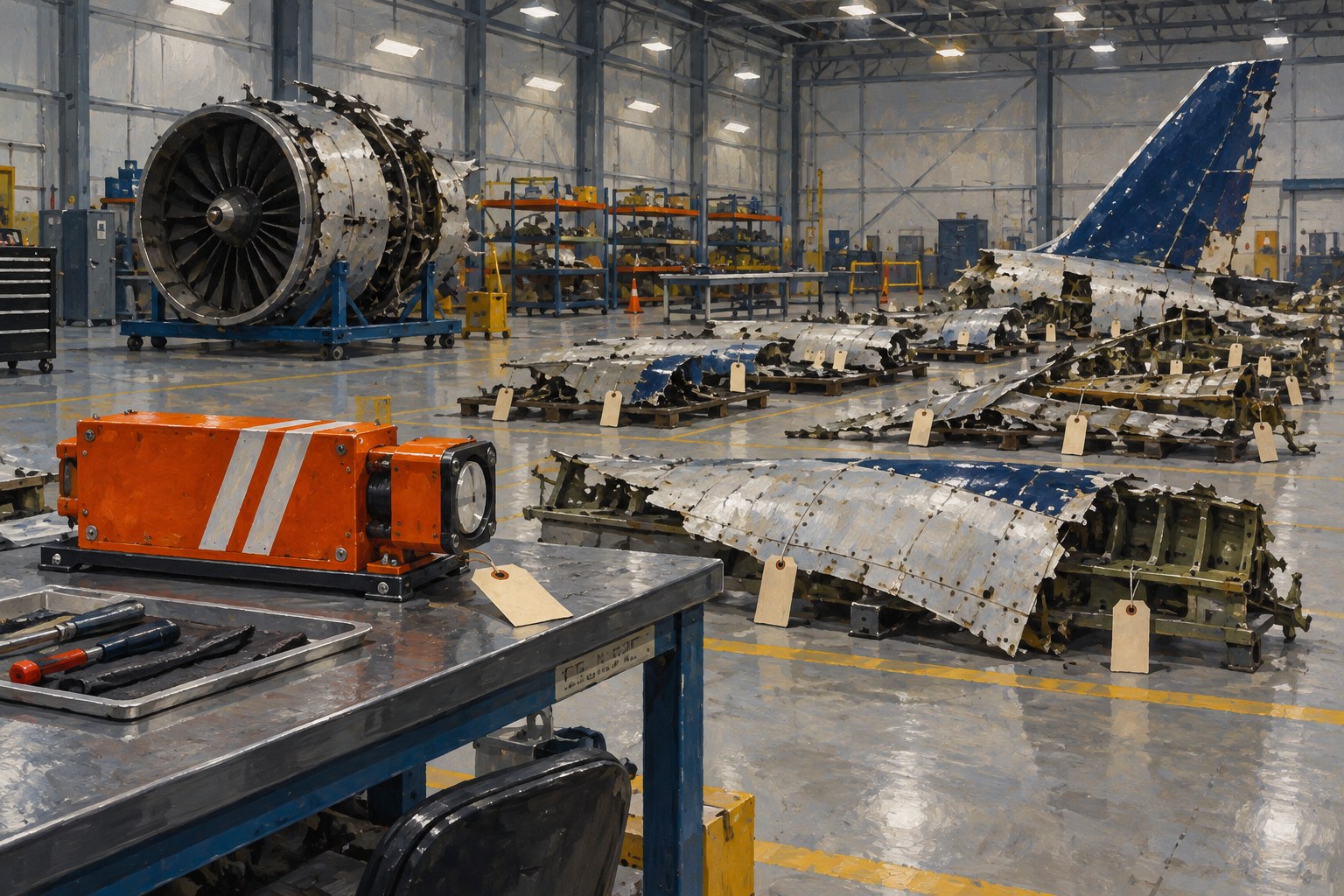
The National Transportation Safety Board, created in 1967 and fully independent since 1975, investigates every civil aviation accident and major highway, rail, pipeline, and marine accidents, determines probable causes, and issues safety recommendations. It cannot enforce them, but agencies and companies adopt most of them. After an Army helicopter and an American Eagle jet collided over the Potomac River near Reagan National Airport on January 29, 2025, killing 67 people, the NTSB found in January 2026 that FAA helicopter routes and oversight failures, Army safety gaps, and controller workload contributed, and it issued 50 recommendations.

Some lawmakers, airlines, and policy groups want to move air traffic control out of the FAA into a nonprofit corporation funded by user fees, as Canada did in 1996, while controllers' unions and many lawmakers prefer keeping it federal with more stable funding protected from shutdowns. Other debates involve how strictly to regulate self-driving cars and trucks, whether airlines should owe automatic compensation for delays, rail safety rules, and whether safety agencies have enough inspectors after 2025 staff cuts.

The Department of Transportation, created in 1966, oversees most travel safety through separate agencies: the Federal Aviation Administration for aviation, the National Highway Traffic Safety Administration for vehicles, the Federal Motor Carrier Safety Administration for trucks and buses, the Federal Railroad Administration for trains, the Pipeline and Hazardous Materials Safety Administration, and the Maritime Administration. The Coast Guard and the Transportation Security Administration are part of Homeland Security, and the independent National Transportation Safety Board investigates accidents. States license drivers, set speed limits, and inspect vehicles.
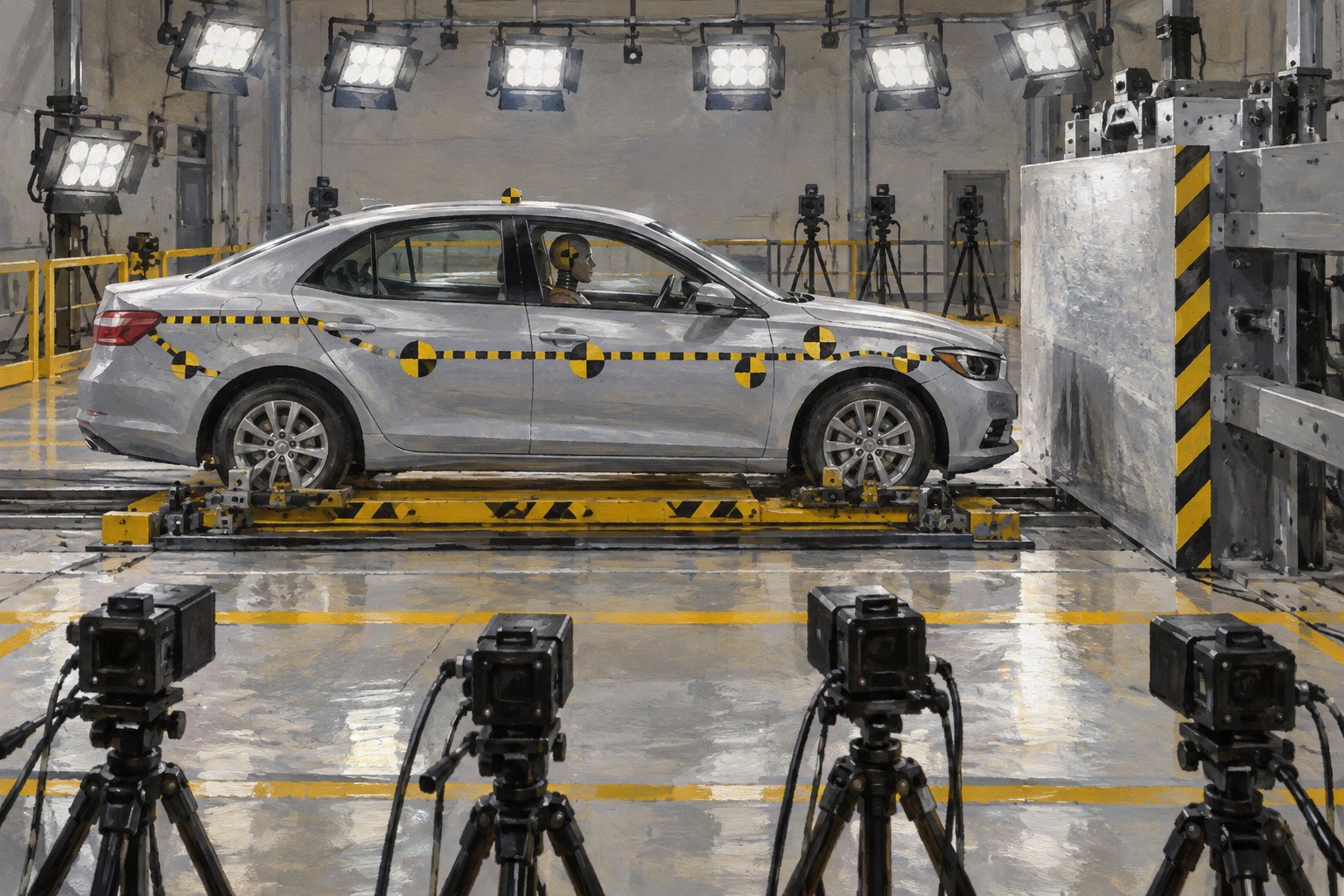
Roads are by far the deadliest way to travel. About 39,000 people died in crashes in 2024, and deaths fell about 8 percent in the first half of 2025, according to NHTSA. The agency sets vehicle safety standards, orders recalls, and rates cars, while the Federal Motor Carrier Safety Administration regulates commercial trucks and buses and their drivers. States enforce traffic laws, and federal highway money comes with conditions such as a minimum drinking age of 21. Self-driving cars are growing quickly in some cities under a patchwork of federal and state rules.
See how airport security and customs work in passports, customs, and TSA, the other agencies of Homeland Security in homeland security agencies, or how product safety is handled in who keeps products safe.