Impeaching a Cabinet Member
Key takeaways
- Cabinet secretaries are civil officers of the United States, so the House can impeach them by simple majority and the Senate can remove them by a two-thirds vote, the same as a President or judge.
- Only two cabinet members have ever been impeached: Secretary of War William Belknap in 1876, for corruption, and Homeland Security Secretary Alejandro Mayorkas in 2024, over immigration enforcement. Neither was convicted.
- Belknap resigned minutes before the House voted, but the House impeached him anyway and the Senate held a full trial, setting the precedent that former officials can be tried.
- The Senate dismissed the Mayorkas articles in 2024 without a trial, ruling by party-line votes that they did not describe high crimes and misdemeanors.
- Impeachment of cabinet officers is rare because the President can fire them at any time and most resign under pressure, and because Congress has other tools, such as subpoenas, contempt, and funding limits.
- The central debate is whether a cabinet officer can be impeached for carrying out policy badly, which the framers rejected when they struck the word maladministration, or only for corruption and serious abuse of power.
Most of the attention on impeachment goes to Presidents and federal judges, but the Constitution reaches every senior officer in the executive branch, including the heads of the fifteen departments. In England, where the procedure began, impeachment was used mostly against the King's ministers, since the King himself could not be charged. The American framers kept that use and added the President.
This guide explains how impeachment applies to cabinet members, walks through the two cases and the near misses, and explains why Congress almost always uses other tools instead.
William Belknap, Secretary of War under Ulysses S. Grant, was found by a House committee to have taken years of payments from a trader he had appointed to run the lucrative store at Fort Sill, in Indian Territory. On March 2, 1876, Belknap rushed to the White House and resigned, and Grant accepted minutes before the House acted. The House impeached him anyway that afternoon and later adopted five articles. The Senate voted 37 to 29 that it still had jurisdiction over a former officer, held a full trial, and on August 1, 1876, majorities voted to convict on every article, but each fell short of two thirds. Most senators who voted to acquit said the Senate had no power to try a man who had already left office. The case was cited in 2021, when the Senate voted 56 to 44 that it could try a former President.


Article II, Section 4 provides that the President, the Vice President, and all civil officers of the United States shall be removed on impeachment for, and conviction of, treason, bribery, or other high crimes and misdemeanors. Cabinet secretaries, who are nominated by the President and confirmed by the Senate as principal officers, are the clearest example of civil officers. At the Constitutional Convention in September 1787, George Mason proposed adding maladministration as a ground for impeachment. James Madison objected that so vague a term would let the Senate remove officers at will, and Mason replaced it with high crimes and misdemeanors. That choice still shapes every argument over whether a secretary can be impeached for poor performance or policy choices.

The main reason cabinet impeachments are rare is that the President can remove a secretary at any time, a power the Supreme Court confirmed in Myers v. United States in 1926, so a secretary in serious trouble usually resigns or is fired before Congress acts. When the President backs the secretary, the two-thirds rule makes conviction nearly impossible unless senators of the President's own party agree. Some scholars say impeachment of cabinet officers is underused, because it is the only way Congress can remove an officer the President will not, and it can bar the person from returning to office. Others warn that impeaching secretaries over policy, which the framers deliberately excluded, would turn impeachment into the parliamentary no-confidence vote they rejected and invite each party to target the other's officials.



House Republicans charged Homeland Security Secretary Alejandro Mayorkas with a willful and systemic refusal to enforce immigration law and with a breach of public trust, for statements to Congress about border security. After the House Homeland Security Committee approved two articles, a first floor vote failed 214 to 216 on February 6, 2024. A week later, on February 13, the House impeached him 214 to 213, the first impeachment of a cabinet secretary in 148 years. On April 17, 2024, the day after the articles reached the Senate, senators were sworn in as a court and then upheld points of order that neither article alleged a high crime or misdemeanor, by votes of 51 to 48 and 51 to 49 along party lines, ending the case without a trial. Supporters called the impeachment a response to a border crisis. Critics, including some Republicans, said it was a policy dispute that did not meet the constitutional standard.
Members file impeachment resolutions against cabinet officers in most Congresses, but nearly all are referred to committee and never voted on. In 1932 the House Judiciary Committee held hearings on impeaching Treasury Secretary Andrew Mellon, and the effort ended when President Herbert Hoover made him ambassador to Britain. In 1939 the committee rejected a resolution against Labor Secretary Frances Perkins over a delayed deportation case. Short of impeachment, Congress can subpoena officials and hold them in contempt, as the House did to Attorneys General Eric Holder in 2012 and Merrick Garland in 2024, refuse funding through appropriations riders, or pass resolutions of no confidence, which have no legal effect. A 2007 Senate attempt at a no-confidence vote on Attorney General Alberto Gonzales failed on a 53 to 38 cloture vote, and he resigned that August. The Senate's strongest check usually comes at the start, in the confirmation process.


The steps are the same as for any other officer. Any House member can introduce a resolution, but a serious effort usually starts with a committee investigation using hearings and subpoenas, often by the Judiciary Committee, though the committee that oversees the department can take the lead, as Homeland Security did in 2024. The full House adopts articles of impeachment by simple majority and names managers to prosecute the case. In the Senate, the Vice President or the President pro tempore presides, rather than the Chief Justice, and senators take an oath to do impartial justice. Conviction on any article takes two thirds of senators present and removes the officer at once, and the Senate may then bar the person from future federal office by majority vote. Before a trial, the Senate can also vote to dismiss the articles.
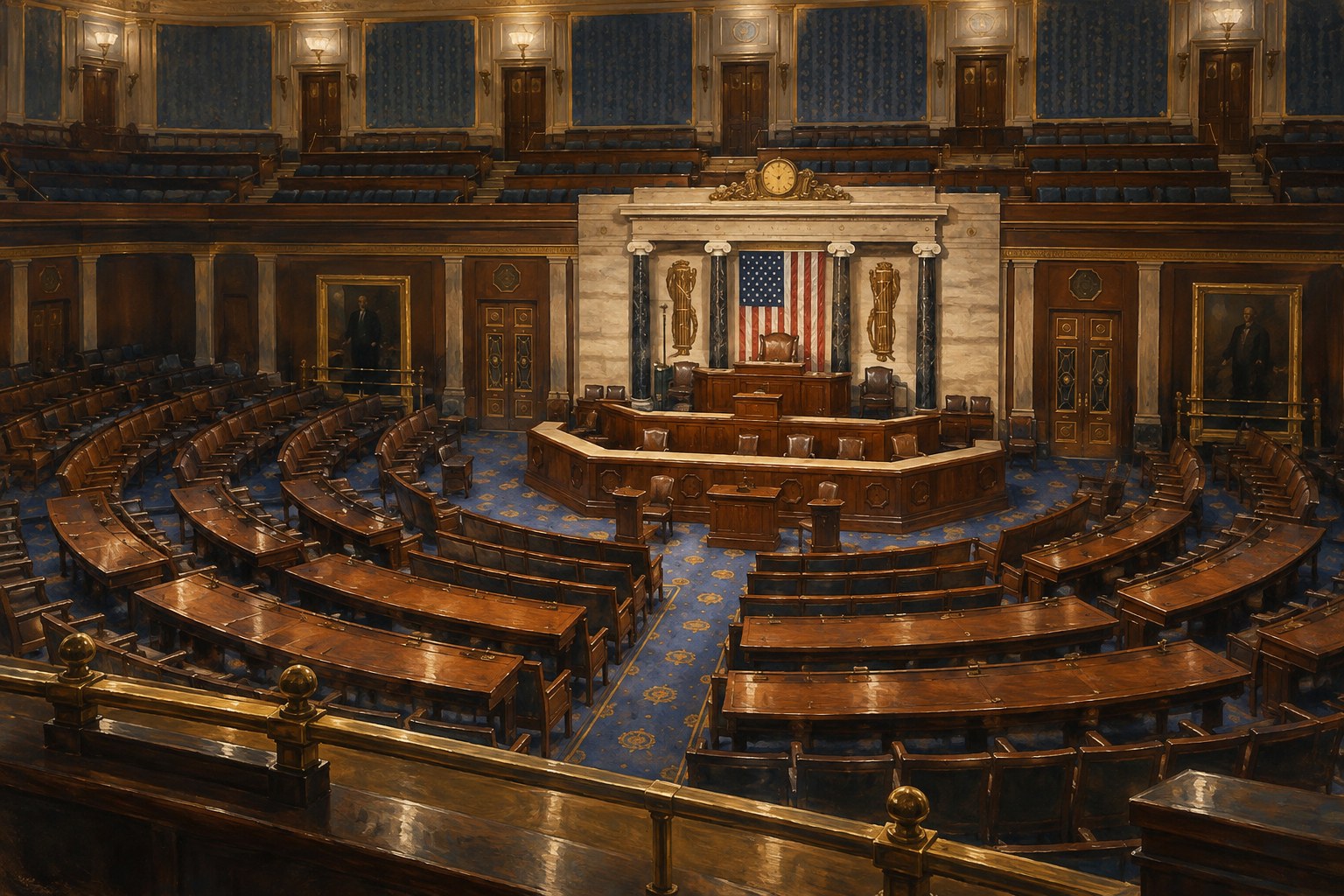
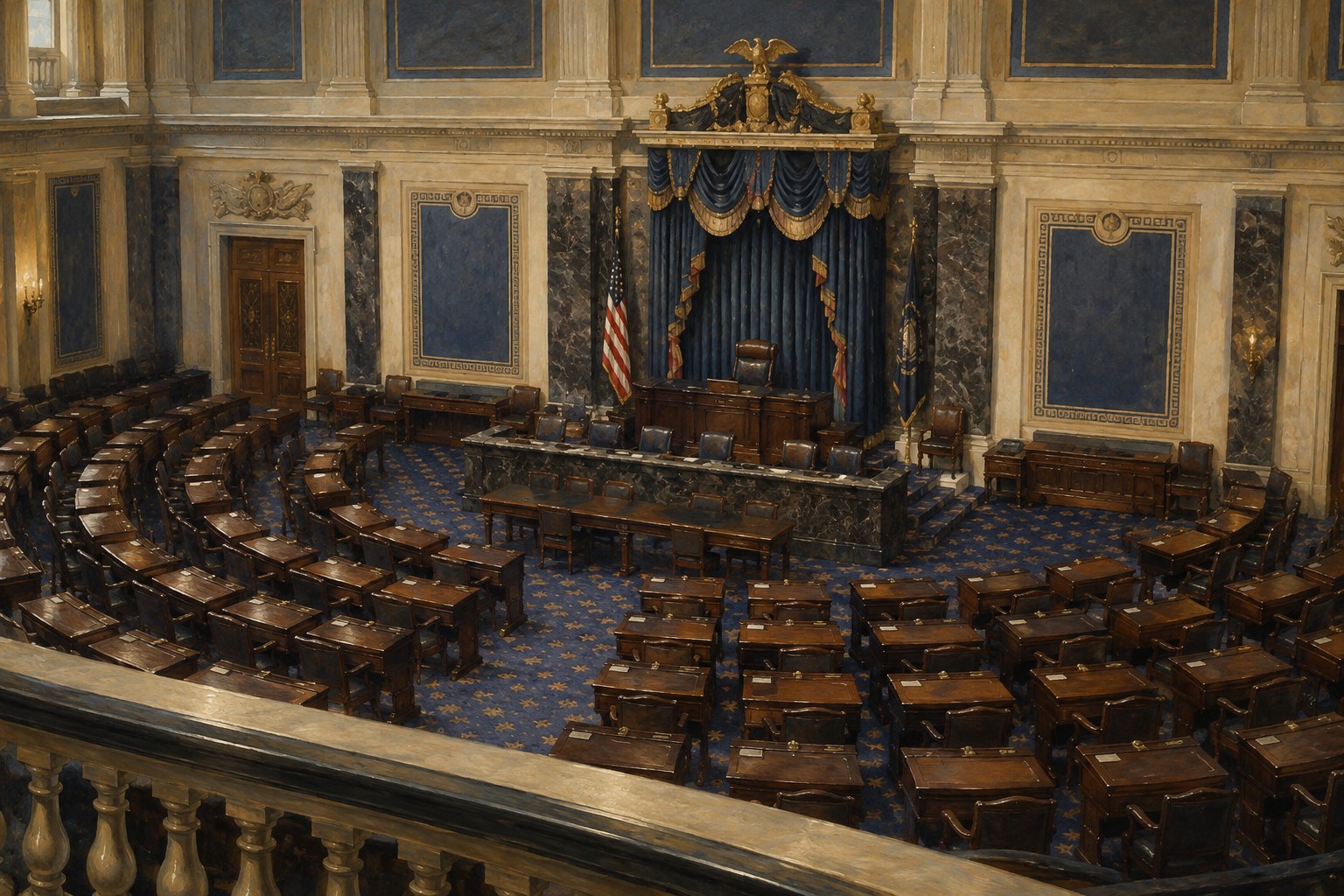
See the full process in impeachment explained, how Congress gathers evidence in how Congress investigates, how cabinet members get the job in how the Senate confirms nominees, or how the departments are organized in the fifteen cabinet departments.