How the Government Buys Things: Contracts, Bids, and Cost Overruns

Key takeaways
- The federal government spends roughly 750 billion dollars a year on contracts, and the Defense Department accounts for about two-thirds of it.
- A rulebook called the Federal Acquisition Regulation governs most purchases, and it is being rewritten in the largest overhaul since 1984.
- The law requires full and open competition in most cases, and losing companies can protest awards to the Government Accountability Office or the Court of Federal Claims.
- Agencies aim to give about 23 percent of contract dollars to small businesses and must generally prefer products made in America.
- The False Claims Act lets whistleblowers sue contractors who cheat the government, and recoveries hit a record of more than 6.8 billion dollars in 2025.
- Big weapons and technology programs often run years late and billions over budget, a long-running subject of reform.
Every fighter jet, aircraft carrier, satellite, office lease, software license, and box of paper clips the federal government uses is bought under detailed rules meant to get good value, give companies a fair chance, and prevent fraud and favoritism. Critics say the same rules make buying slow and expensive.
This guide explains how federal purchasing works, who sets the rules, how companies compete and challenge decisions, and why costs so often grow.
Agencies announce opportunities publicly, companies submit proposals, and evaluators score them against criteria set in advance. A company that believes the rules were broken can file a bid protest with the agency, the Government Accountability Office, or the Court of Federal Claims. The GAO must decide within 100 days, and a timely protest suspends the contract. In fiscal year 2025 companies filed 1,688 protests at the GAO, the fewest in a decade, and about half ended with the protester getting relief, usually because the agency fixed its own mistake.

Reformers across parties agree that federal buying is often too slow, that complex rules keep new companies out, and that the government depends on a shrinking number of large defense contractors. They disagree on solutions. Supporters of the 2025 overhaul and consolidation say fewer rules and central buying will save money and time. Critics say rules exist to prevent favoritism and fraud, that cutting oversight staff raises risks, and that the 2025 cancellation of thousands of contracts by the administration was done hastily. Debates also continue over contractor profits, the use of contractors instead of federal employees, and whether losing bidders should pay protest costs.


The False Claims Act of 1863 lets the government collect triple damages from contractors who cheat, and whistleblowers who file suit can receive up to 30 percent of the recovery. Recoveries reached a record of more than 6.8 billion dollars in fiscal 2025, mostly from health care. Inspectors general and auditors look for waste. Large programs often run over budget: the Sentinel nuclear missile program's estimated cost rose 81 percent by 2024, triggering a legal review, and the replacement Air Force One jets are years late. Cost growth comes from changing requirements, immature technology, optimistic early estimates, and few competing suppliers.



Most purchases follow the Federal Acquisition Regulation, in effect since 1984, plus agency supplements. Only contracting officers can legally sign contracts. The Competition in Contracting Act of 1984 requires full and open competition unless an exception applies, such as an emergency or a single capable source. Agencies can award based on lowest price or on best value, weighing price against quality. Simplified rules apply to small purchases, and government credit cards cover everyday items. An April 2025 executive order launched a rewrite of the entire FAR to cut it back to what the law requires, and a March 2025 order moved much common purchasing to the General Services Administration.




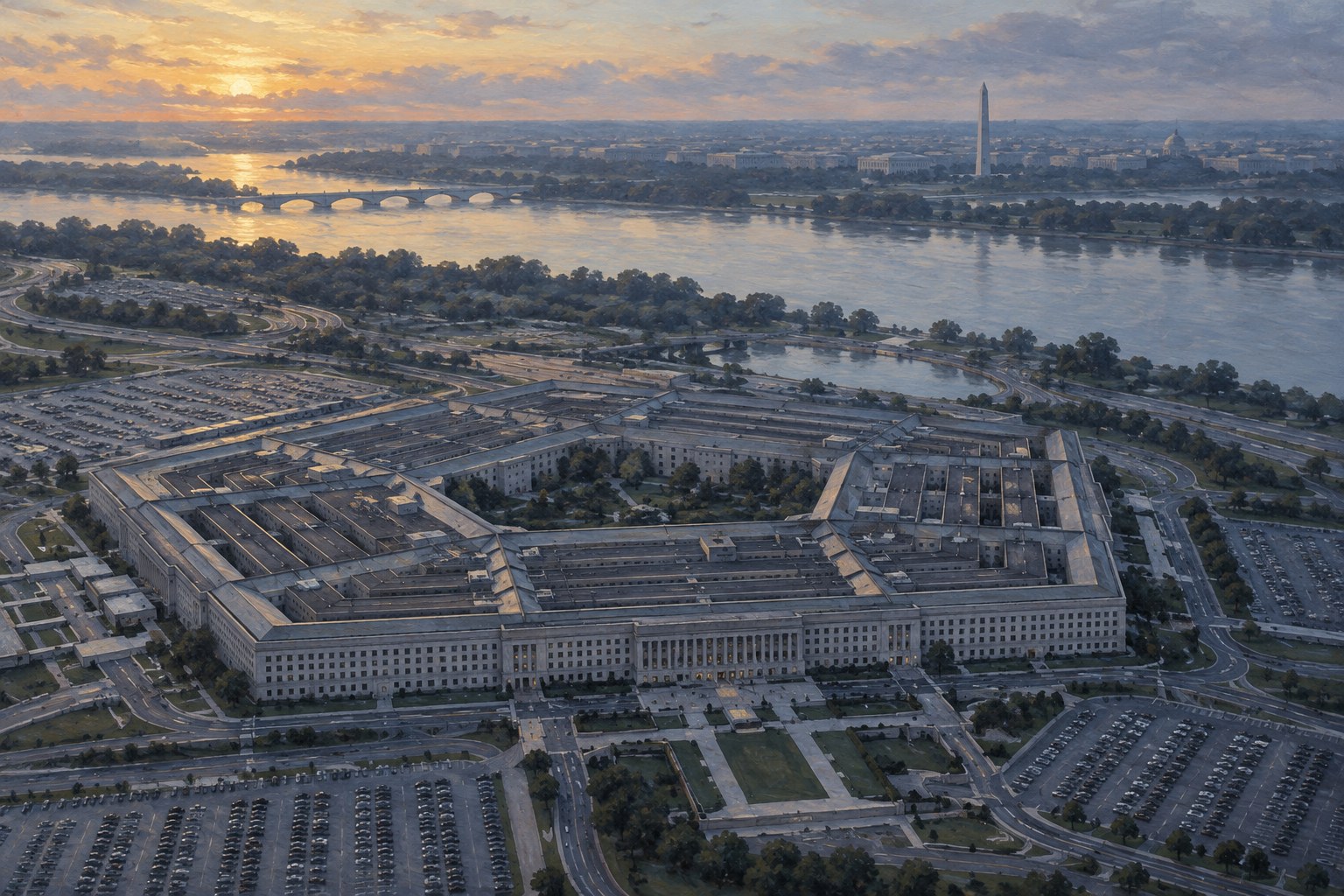
The federal government is the largest buyer in the world, spending roughly 750 billion dollars a year on contracts in recent years, about two-thirds of it by the Defense Department. Purchases range from ships and missiles to health care services, construction, consulting, information technology, and office supplies. The General Services Administration runs government-wide buying programs and manages federal buildings, and the Defense Logistics Agency buys fuel, food, and spare parts for the military. Contractors now do much of the government's work, from running nuclear laboratories to processing benefit claims.


Congress sets a goal of awarding 23 percent of contract dollars to small businesses, with additional goals for firms owned by women, service-disabled veterans, and companies in economically distressed areas, and the Small Business Administration certifies these firms. Since 2025, preferences for socially and economically disadvantaged owners have been narrowed. The Buy American Act of 1933 requires a preference for domestic products, and the required share of American parts rose to 65 percent in 2024 and is set to reach 75 percent in 2029, though trade agreements exempt many foreign goods. Contractors must also follow federal labor and wage rules.




See where the money comes from in how the federal budget works, the biggest buyer in the defense budget explained, or the auditors in federal watchdogs.