The TikTok Law (Foreign Adversary Controlled Applications Act)

Congress passed the Protecting Americans from Foreign Adversary Controlled Applications Act with large bipartisan majorities, and it was signed April 24, 2024, as part of a foreign aid bill. It barred app stores and web hosts from distributing apps controlled by a foreign adversary, naming TikTok and its Chinese parent ByteDance, unless they were sold to owners outside adversary control within about nine months. Supporters cited the risk that the Chinese government could obtain Americans' data or influence what they see.
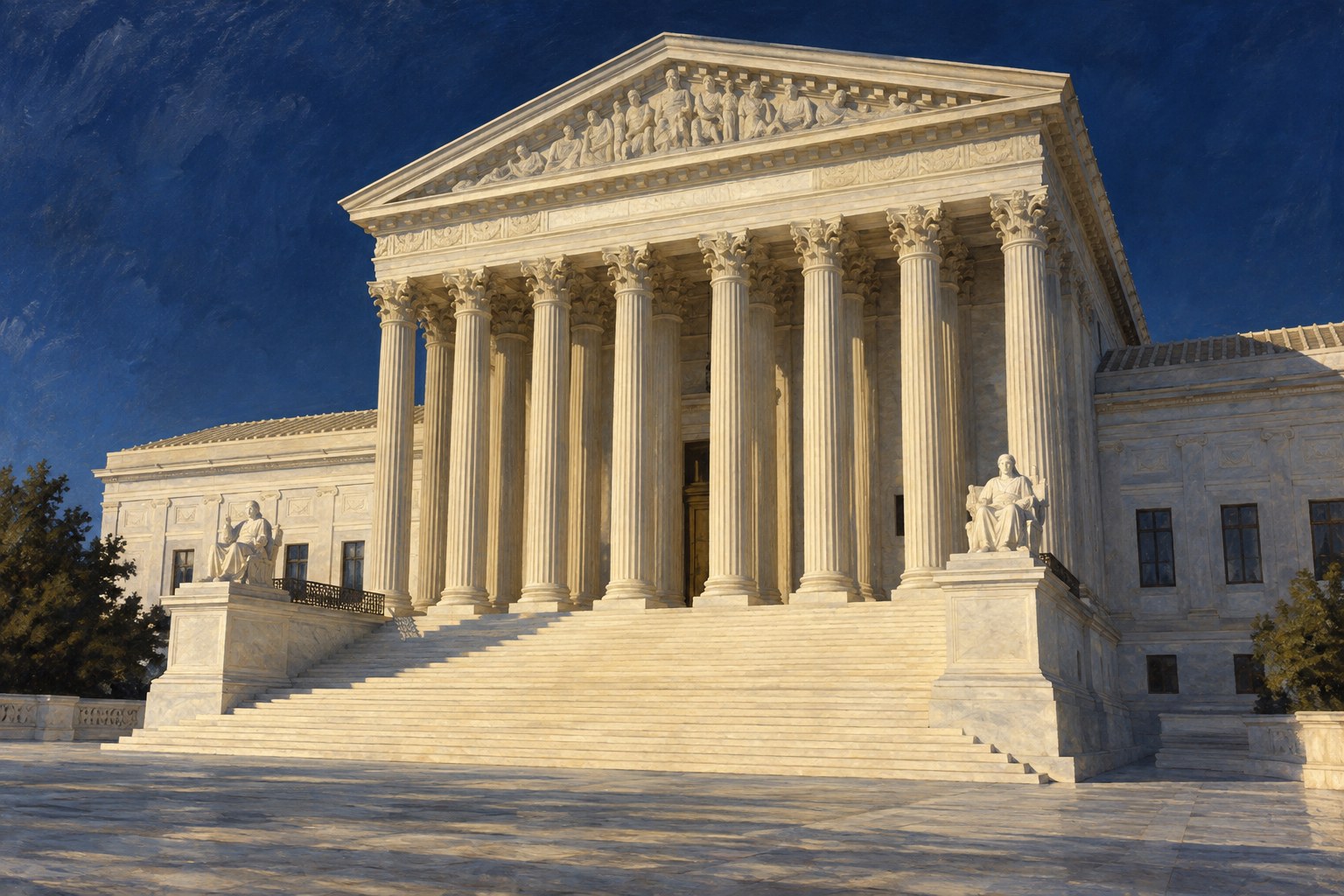
TikTok and its users sued, arguing the law violated the free speech of about 170 million American users. On January 17, 2025, in TikTok v. Garland, the Supreme Court unanimously upheld it, finding the government's concern about data collection by a foreign adversary justified the law and that it targeted ownership, not speech. TikTok briefly went dark on January 19, 2025, before the new President directed the Justice Department not to enforce the law while a deal was sought, and enforcement was delayed several more times.
A deal closed on January 22, 2026, creating a U.S. joint venture controlled by American and other non-Chinese investors, including Oracle, which stores U.S. user data and reviews the app's code, with ByteDance keeping a minority stake. Critics in both parties questioned whether the arrangement meets the law's ban on Chinese control of the recommendation algorithm and whether a President may decline to enforce a law. Supporters said the outcome kept the app available while addressing security concerns.


| Status | Active |
| Legal basis | Public Law 118-50, Division H |
| Official site | congress.gov |
| Signed | April 24, 2024 |
| Target | TikTok and ByteDance, plus other adversary-controlled apps |
| Supreme Court | Upheld unanimously, January 17, 2025 |
| U.S. users | About 170 million |
| Resolution | U.S. joint venture closed January 22, 2026 |
| Date | Signed April 24, 2024 |