Fair Labor Standards Act FLSA
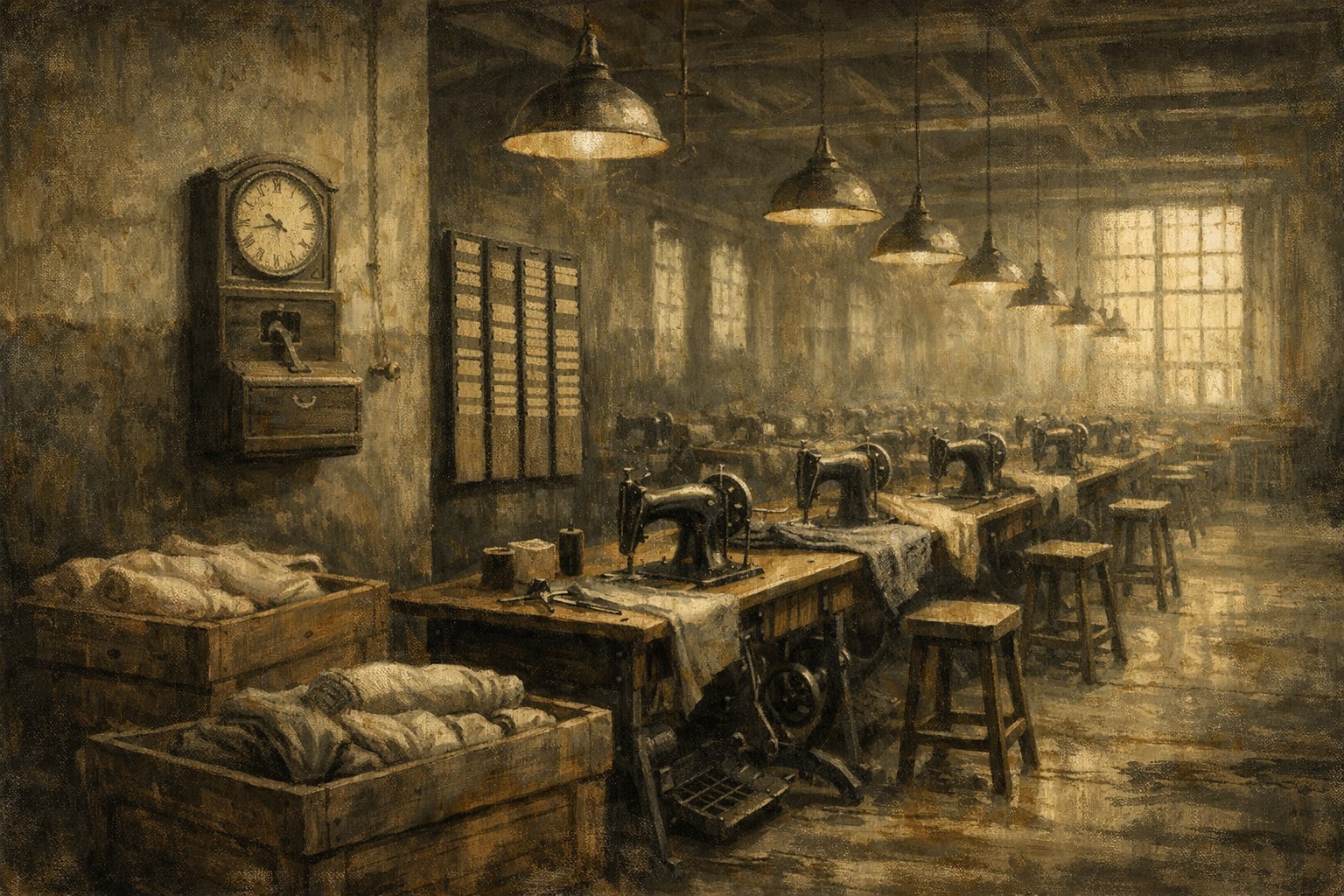
President Franklin Roosevelt signed the Fair Labor Standards Act on June 25, 1938. It set a minimum wage of 25 cents an hour, required time-and-a-half pay for hours over a standard workweek that fell to 40 hours by 1940, and banned most child labor. The Supreme Court upheld it in United States v. Darby in 1941, overruling earlier decisions that had struck down federal child labor laws.
The law covers most private and public employers. Workers must be paid at least the federal minimum, 7.25 dollars an hour since 2009, or a higher state rate, and tipped workers may be paid 2.13 dollars an hour if tips make up the difference. Executive, administrative, and professional employees paid a salary above a threshold are exempt from overtime, and independent contractors are not covered at all. The Labor Department's Wage and Hour Division enforces the law, and workers can also sue for back pay.
Fights over the law center on who is exempt and who is an employee. A 2024 rule raising the overtime salary threshold was struck down by a court that November, leaving it at 684 dollars a week, and rules on classifying gig and contract workers have changed with each administration. The 2025 budget law let workers deduct some overtime pay and tips from federal income taxes through 2028. Child labor violations have risen in recent years, and some states have loosened their own youth work rules.


| Status | Active |
| Abbreviation | FLSA |
| Legal basis | 29 U.S.C. 201 and following |
| Official site | dol.gov |
| Signed | June 25, 1938 |
| Minimum wage | 7.25 dollars an hour since 2009 |
| Overtime | Time and a half after 40 hours |
| Tipped minimum | 2.13 dollars an hour |
| Enforced by | Wage and Hour Division |
| Date | Signed June 25, 1938 |