Trump v. Barbara (2026)

On January 20, 2025, the President signed an executive order directing federal agencies not to recognize as citizens children born in the United States after February 19, 2025, if the mother was in the country unlawfully or on a temporary visa and the father was not a citizen or permanent resident. The order argued that such children are not subject to the jurisdiction of the United States under the Fourteenth Amendment's Citizenship Clause. Federal courts blocked it nationwide, and after the Supreme Court limited universal injunctions in Trump v. CASA in June 2025, challengers brought class actions, including one on behalf of affected children in New Hampshire that became Trump v. Barbara.
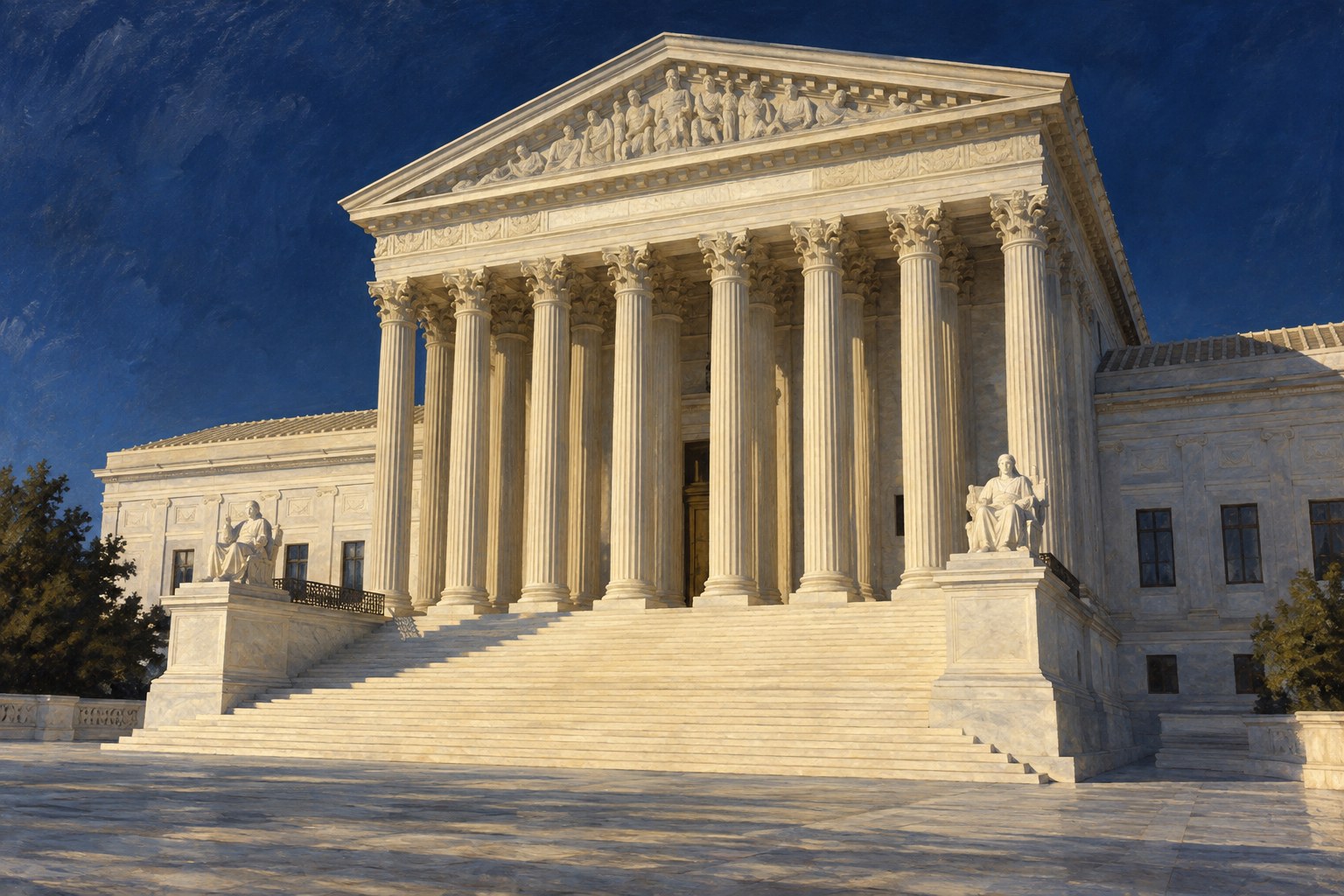
On June 30, 2026, the Supreme Court held 6 to 3 that the order was unlawful. Five justices, in an opinion by the Chief Justice, held that the Citizenship Clause itself guarantees citizenship to nearly everyone born on U.S. soil, building on United States v. Wong Kim Ark of 1898, which held that a child born in San Francisco to Chinese parents who could not become citizens was a citizen by birth. A sixth justice agreed that the order was invalid but rested on the federal statute, first enacted in 1940, that grants citizenship to persons born in the United States and subject to its jurisdiction, and suggested Congress could change that law. Three justices dissented.
The decision left birthright citizenship in place for children of immigrants regardless of their parents' status and ended the litigation over the order. Supporters of the ruling said it confirmed more than a century of settled understanding and avoided a class of stateless children. Supporters of the order argued that the phrase subject to the jurisdiction thereof was meant to exclude children of people owing allegiance to other nations and that the framers of the Fourteenth Amendment did not contemplate large-scale unlawful immigration. Proposals to restrict birthright citizenship by statute or constitutional amendment continue to be debated.

| Status | Active |
| Legal basis | Fourteenth Amendment, Citizenship Clause, and 8 U.S.C. 1401 |
| Official site | supremecourt.gov |
| Decided | June 30, 2026 |
| Vote | 6 to 3 |
| Holding | The 2025 birthright citizenship order is unlawful |
| Key precedent | United States v. Wong Kim Ark (1898) |
| Order at issue | Executive Order of January 20, 2025 |
| Date | Decided June 30, 2026 |
| Location | Supreme Court, Washington, D.C. |