District of Columbia v. Heller
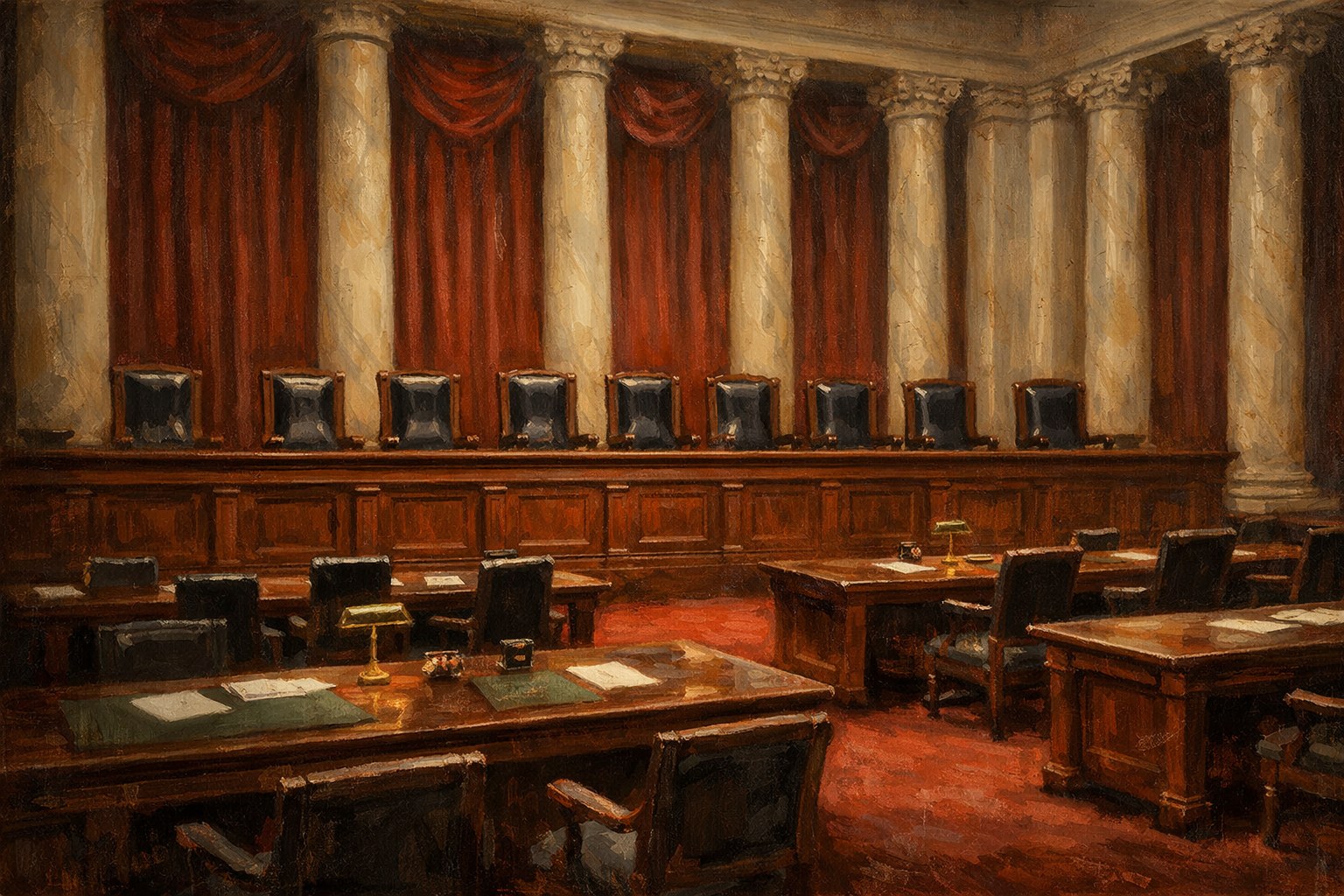
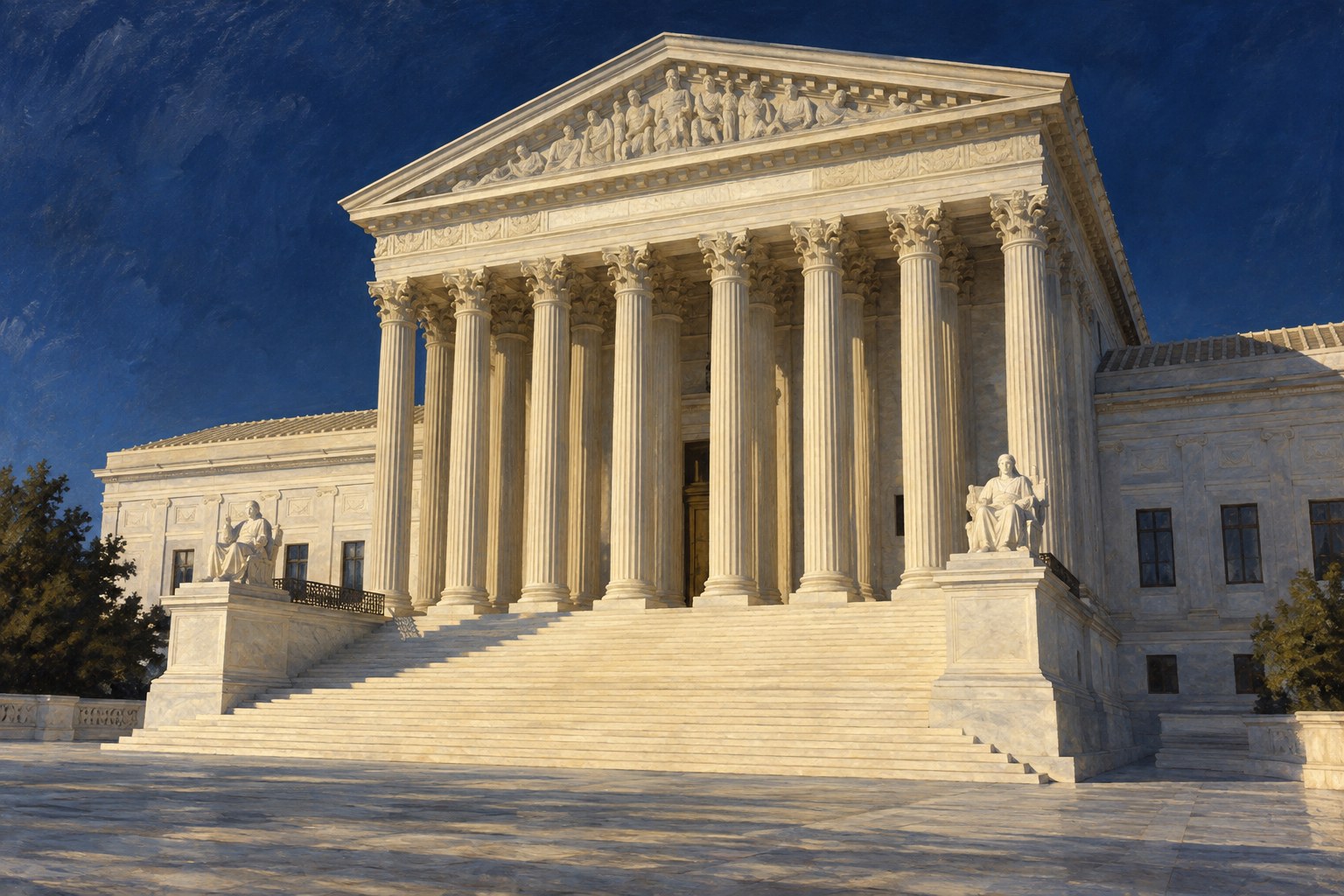
Dick Heller, a special police officer in Washington, D.C., challenged the city's ban on handguns and its rule that other guns at home be kept disassembled or locked. On June 26, 2008, the Supreme Court ruled 5 to 4, in an opinion by Justice Antonin Scalia, that the Second Amendment protects an individual's right to keep and bear arms, unconnected to service in a militia, and that the city's handgun ban violated it.
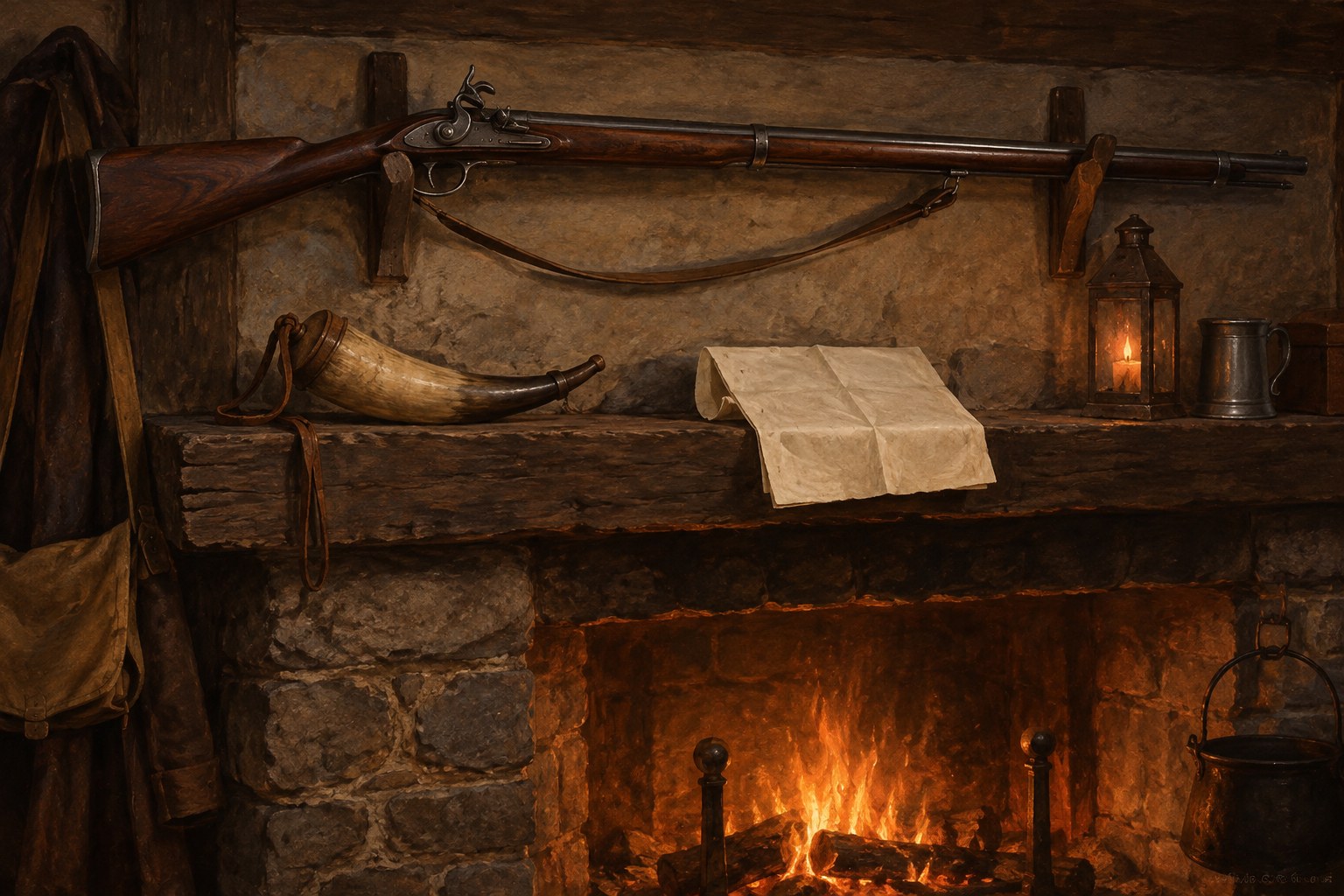
The majority read the amendment's prefatory clause about a well regulated militia as announcing a purpose rather than limiting the right, and called the handgun the quintessential self-defense weapon. Justice John Paul Stevens, in dissent, argued the amendment protected only a right tied to militia service, as many courts had read United States v. Miller in 1939. The Court said the right is not unlimited and that longstanding bans on possession by felons and the mentally ill, and laws on sensitive places and commercial sales, were presumptively lawful.
Heller applied only to the federal government and D.C., but in McDonald v. City of Chicago in 2010 the Court held the right applies to states and cities through the Fourteenth Amendment. For years afterward lower courts upheld most gun laws using a balancing test, until the Court replaced that approach in New York State Rifle and Pistol Association v. Bruen in 2022. Supporters see Heller as restoring the amendment's original meaning, while critics argue it misread history and opened the door to striking down gun safety laws.

| Status | Active |
| Legal basis | 554 U.S. 570 |
| Official site | oyez.org |
| Decided | June 26, 2008 |
| Vote | 5 to 4 |
| Opinion | Justice Antonin Scalia |
| Holding | Individual right to keep a handgun at home |
| Extended to states | McDonald v. Chicago (2010) |
| Date | Decided June 26, 2008 |