Center for AI Standards and Innovation CAISI

The National Institute of Standards and Technology, part of the Commerce Department, has long written voluntary technical standards. In January 2023 it published the AI Risk Management Framework, a voluntary guide for organizations to identify and manage AI risks that many companies and some state laws now reference. In November 2023 the Biden administration created the U.S. AI Safety Institute within NIST to test the most advanced models.
In June 2025 the Commerce Department renamed it the Center for AI Standards and Innovation and refocused it on measurable national security risks, such as cyberattacks and biological and chemical weapons, and on helping American companies compete. It works with AI developers under voluntary agreements to test models before and after release, evaluated Chinese models such as DeepSeek for security risks and censorship, and represents the United States in international standards work.
The center has no regulatory power and depends on companies' cooperation and on yearly funding. Supporters of a stronger role say government needs expertise to understand frontier AI, while others favor leaving testing to industry. Proposals in Congress would write the center into law and give it a permanent mission.
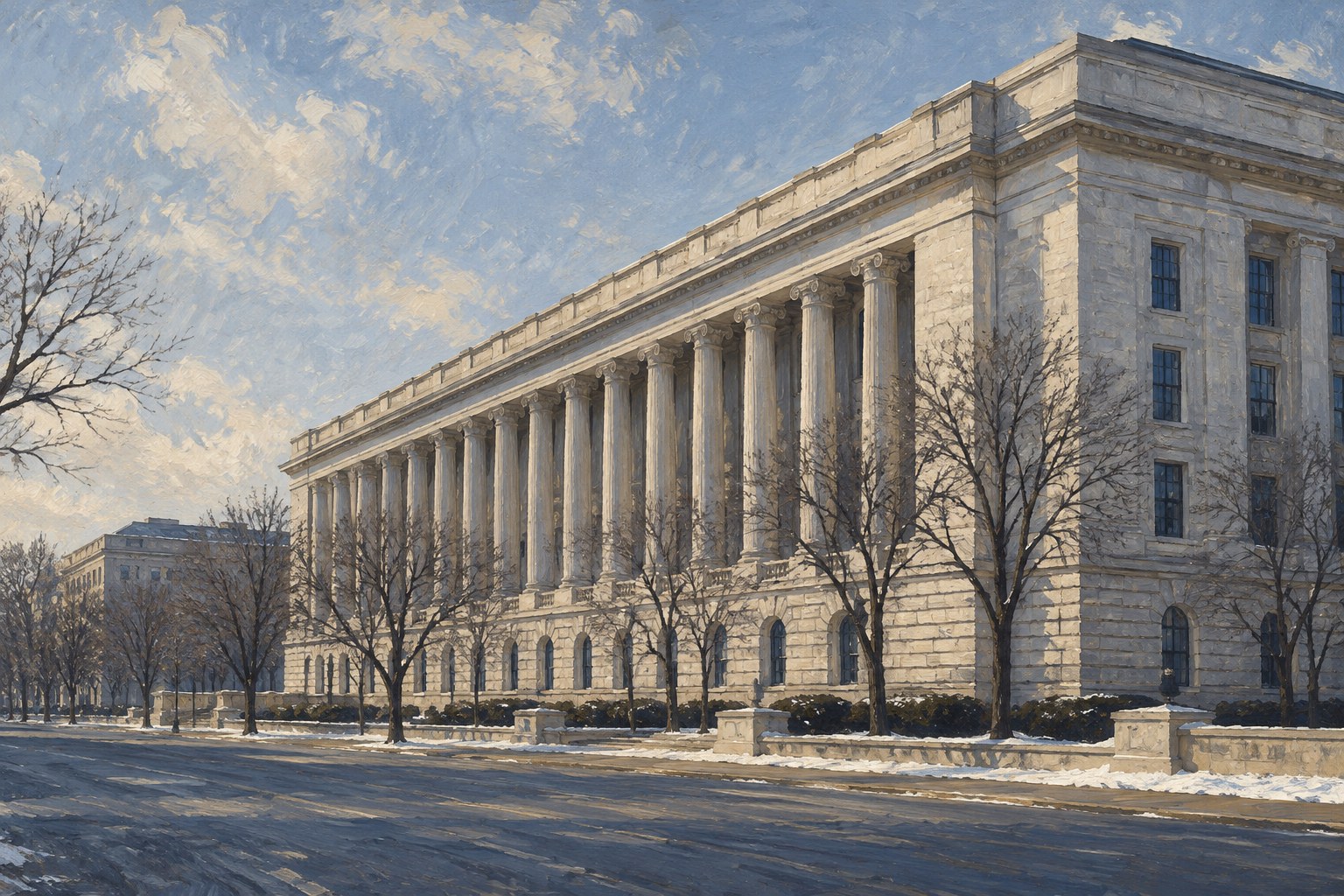


| Status | Active |
| Abbreviation | CAISI |
| Legal basis | Authority of the National Institute of Standards and Technology |
| Official site | nist.gov |
| Part of | NIST, Commerce Department |
| Created | November 2023 as the AI Safety Institute |
| Renamed | June 2025 |
| Focus | National security risks and standards |
| Power | Voluntary, no regulatory authority |
| Date | Created as the AI Safety Institute, November 2023 |