Reconstruction Finance Corporation RFC
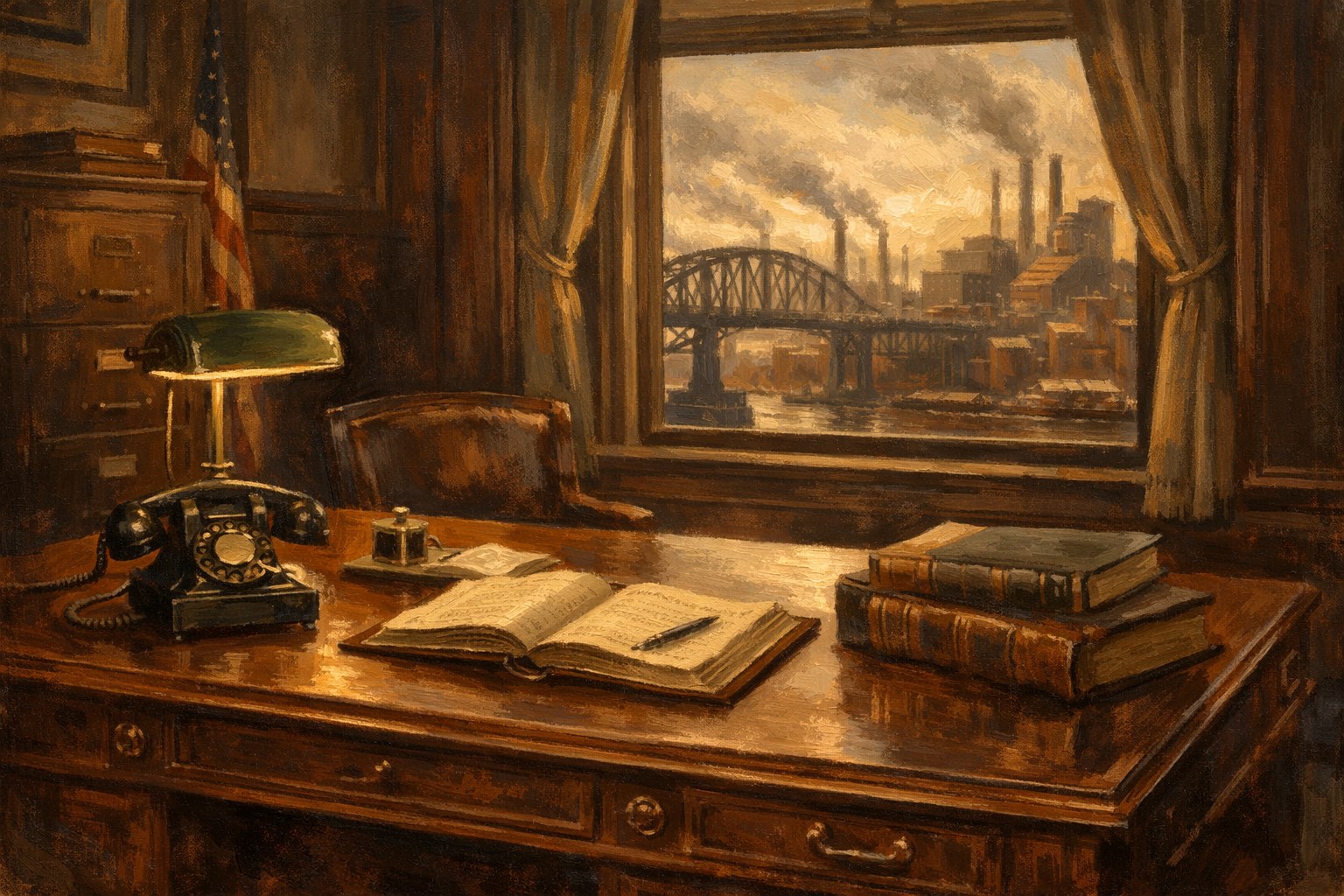
Congress created the Reconstruction Finance Corporation on January 22, 1932, at President Herbert Hoover's request, to lend money to banks, railroads, and insurance companies failing in the Great Depression. Under Franklin Roosevelt and its chairman Jesse Jones, it became the government's main investment bank. From 1933 it bought preferred stock in thousands of banks to rebuild their capital, much as the Treasury would do in 2008, and it lent to farmers, businesses, cities, and states.
During World War II the RFC and its subsidiaries, such as the Defense Plant Corporation, built and owned factories for aircraft, synthetic rubber, aluminum, and steel, stockpiled strategic materials, and financed much of the war production effort. It lent or invested tens of billions of dollars in its lifetime and helped launch agencies including the Export-Import Bank and Fannie Mae. Many war plants were later sold to private companies.
After the war, investigations found favoritism and influence-peddling in some loans, and Congress abolished the RFC in 1953, with its remaining work ending in 1957. Its small business lending passed to the new Small Business Administration. Proposals for a new RFC or national investment bank resurface in crises and in debates over competing with China, and the stakes the government took in companies in 2025 drew comparisons to it.




| Status | Active |
| Abbreviation | RFC |
| Legal basis | Reconstruction Finance Corporation Act of 1932 |
| Official site | archives.gov |
| Created | January 22, 1932 |
| Requested by | Herbert Hoover |
| Key role | Bank stock purchases from 1933 |
| Wartime | Built and owned war plants |
| Abolished | 1953, wound up by 1957 |
| Date | Created January 22, 1932 |